 of the Imperial German Navy
  of the Imperial German Navy
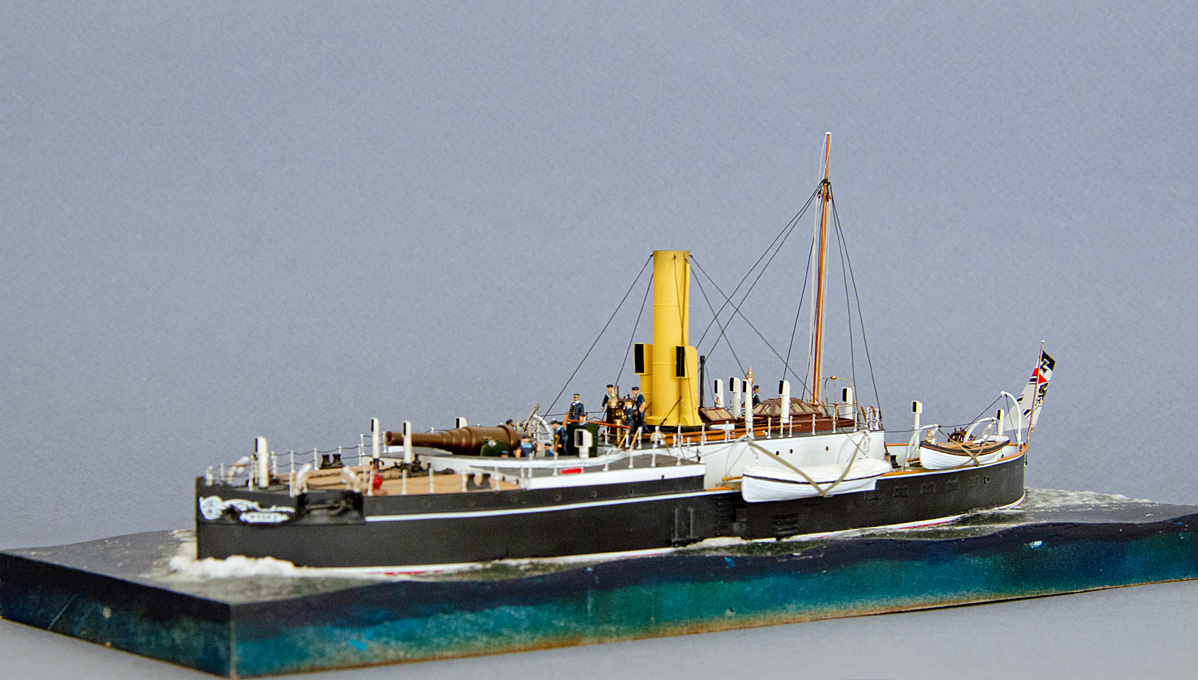
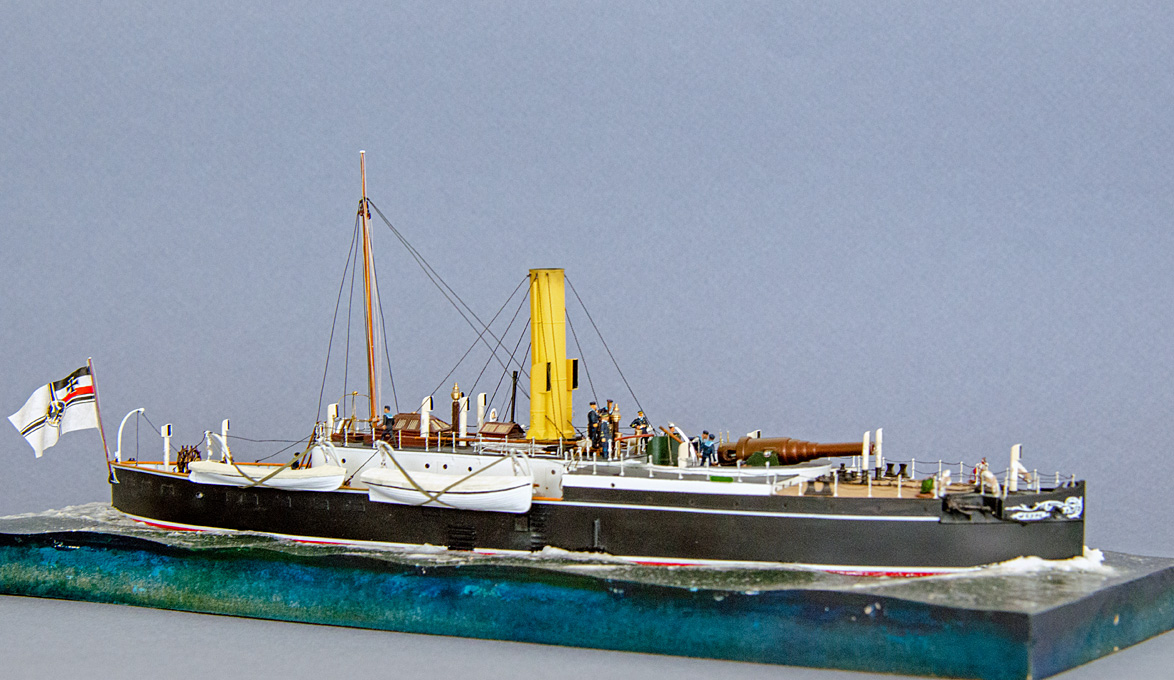
 • The modelling project was completed in July 2024 •
 |
 |
 |
 |
 |
|
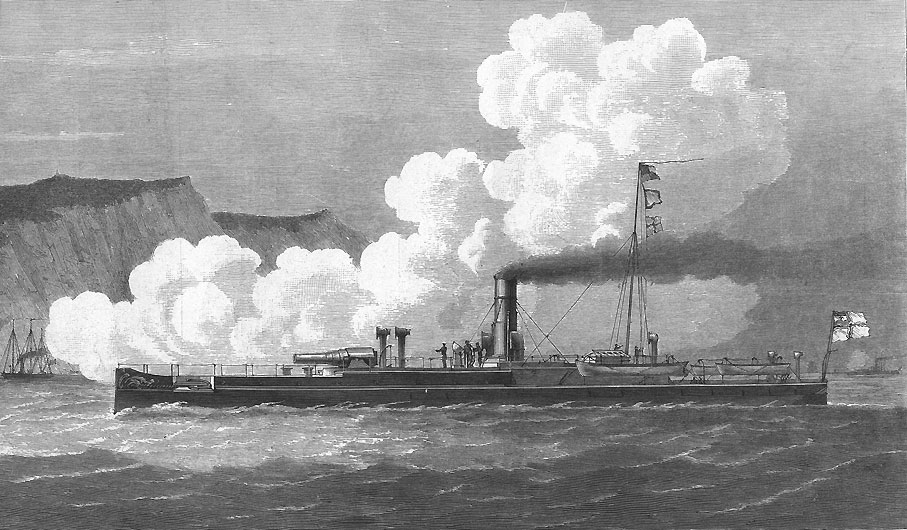
S.M.S. WESPE |
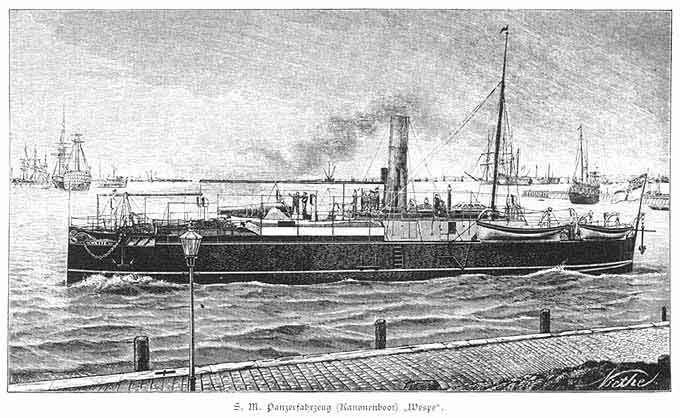
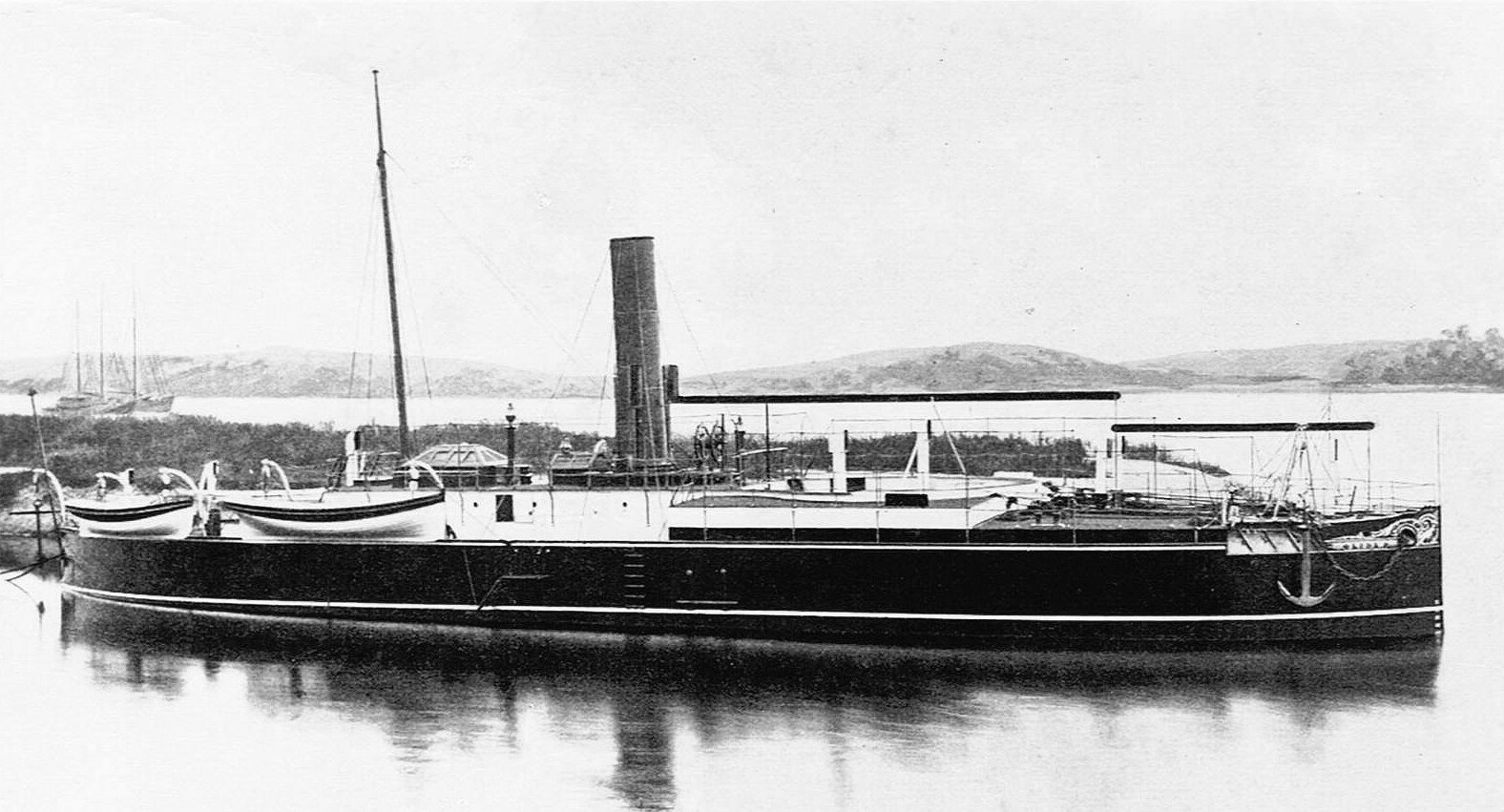
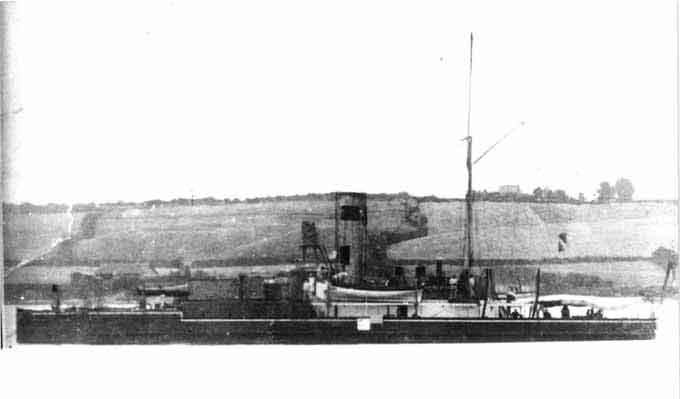
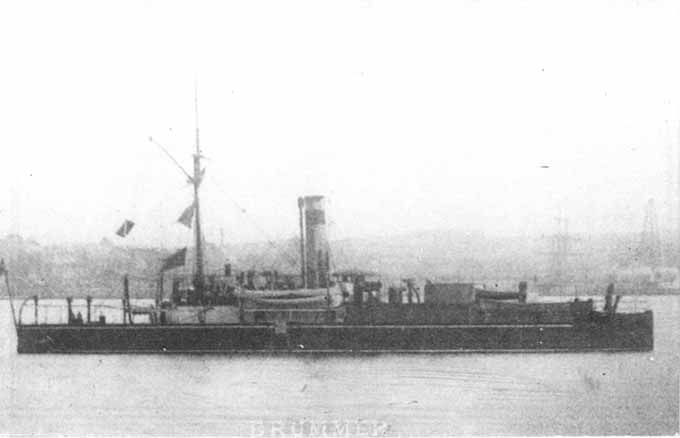
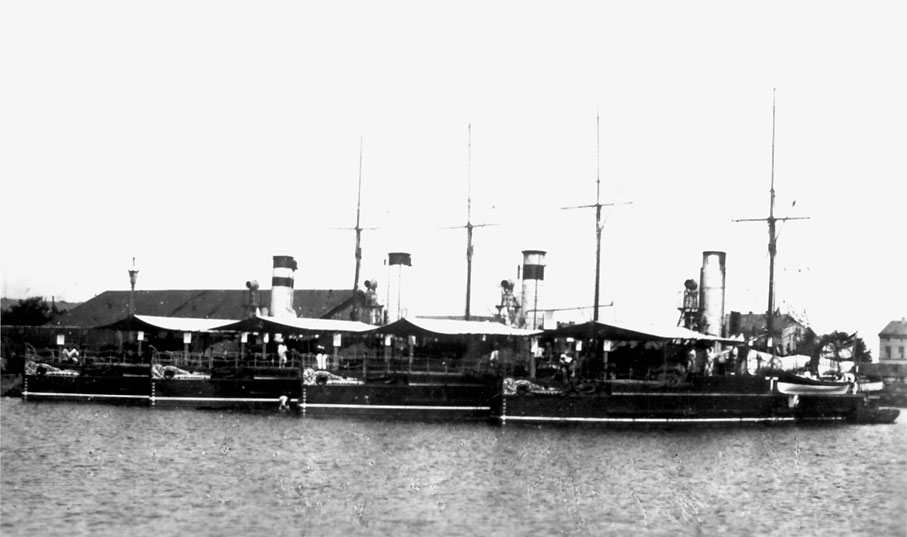
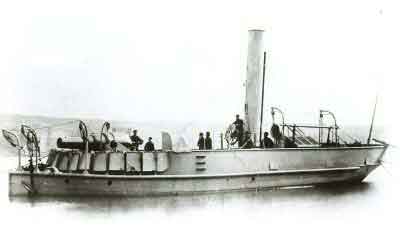
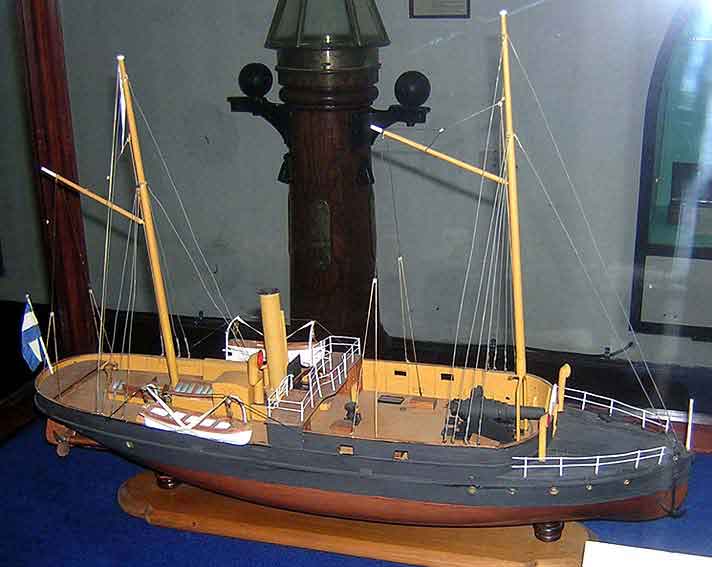
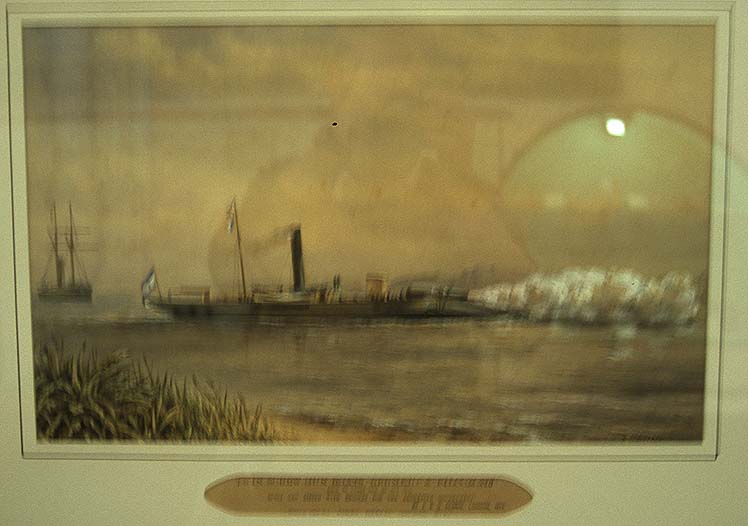
S.M.S. WESPE, brand-new and still without the 30.5 cm gun (1875) | S.M.S. WESPE(?) c. 188? | S.M.S. BRUMMER c. 188? | Artist's impression (ANONYM, 1891) |
 |
 |
 |
 |
 |
| A wasps' nest (before 1893) |
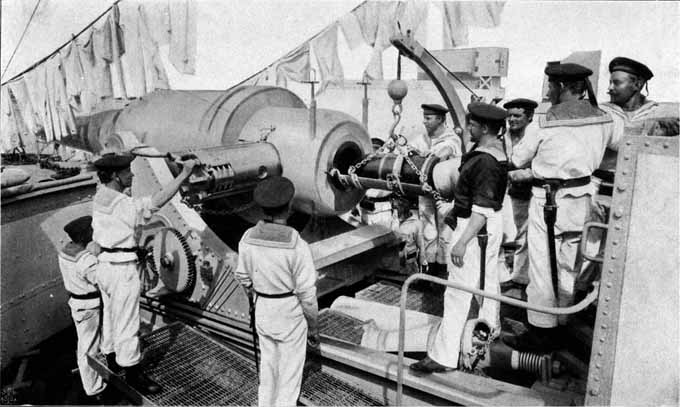
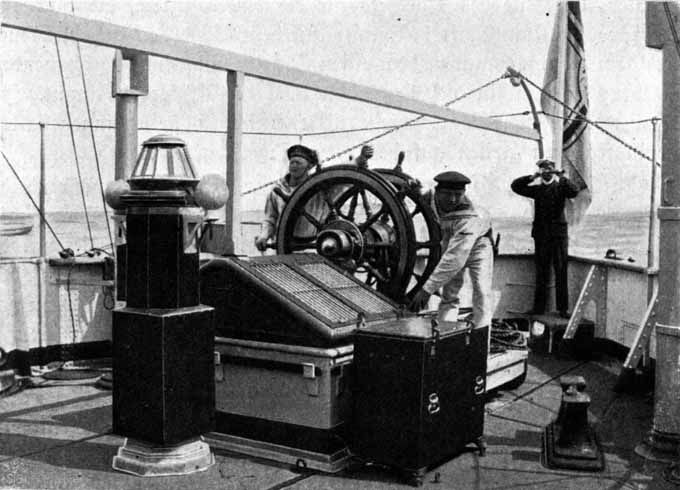
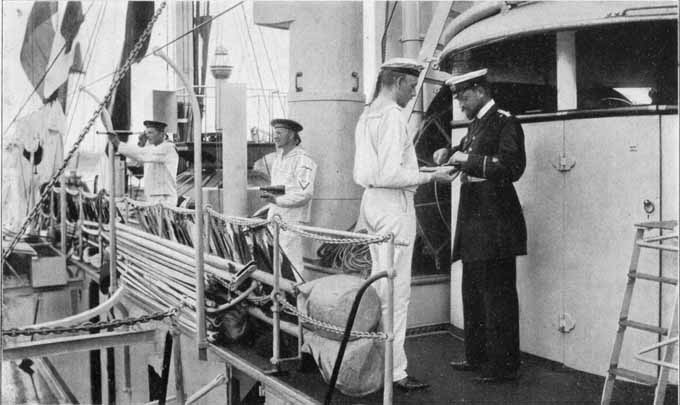
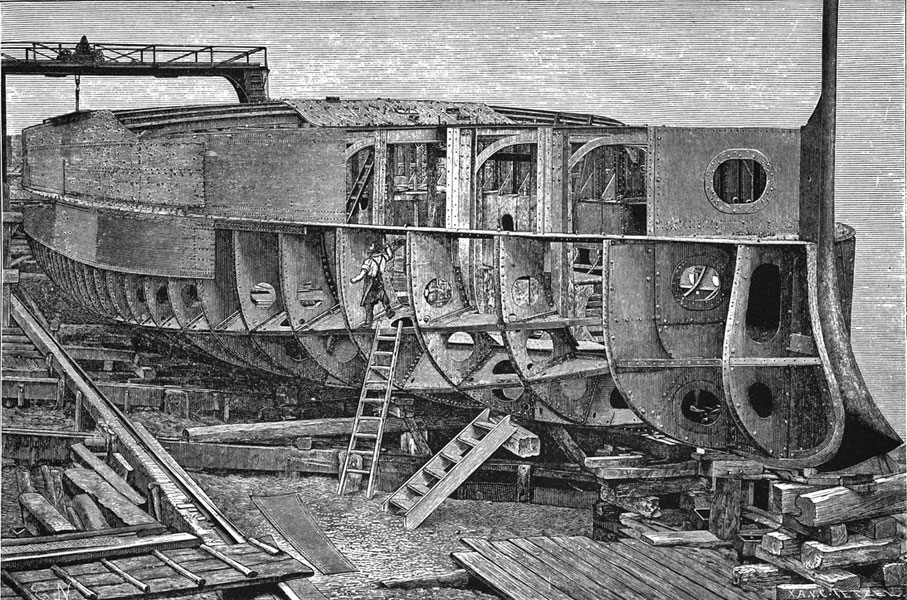
Gun drill in the 1890s (LAVERRENZ, 1900) | Stern with emergency steering wheel (LAVERRENZ, 1900) | Upper deck and conning tower in the 1890s (LAVERRENZ, 1900) | Under construction (HENK, 1895) |
 |
 |
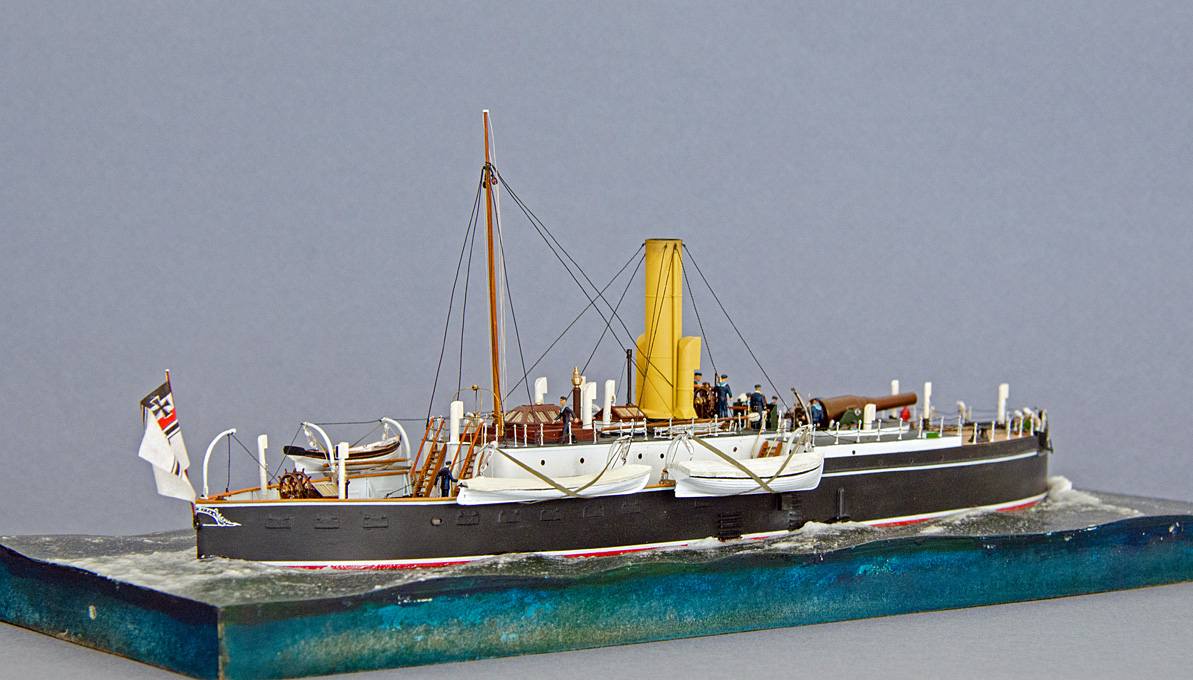 |
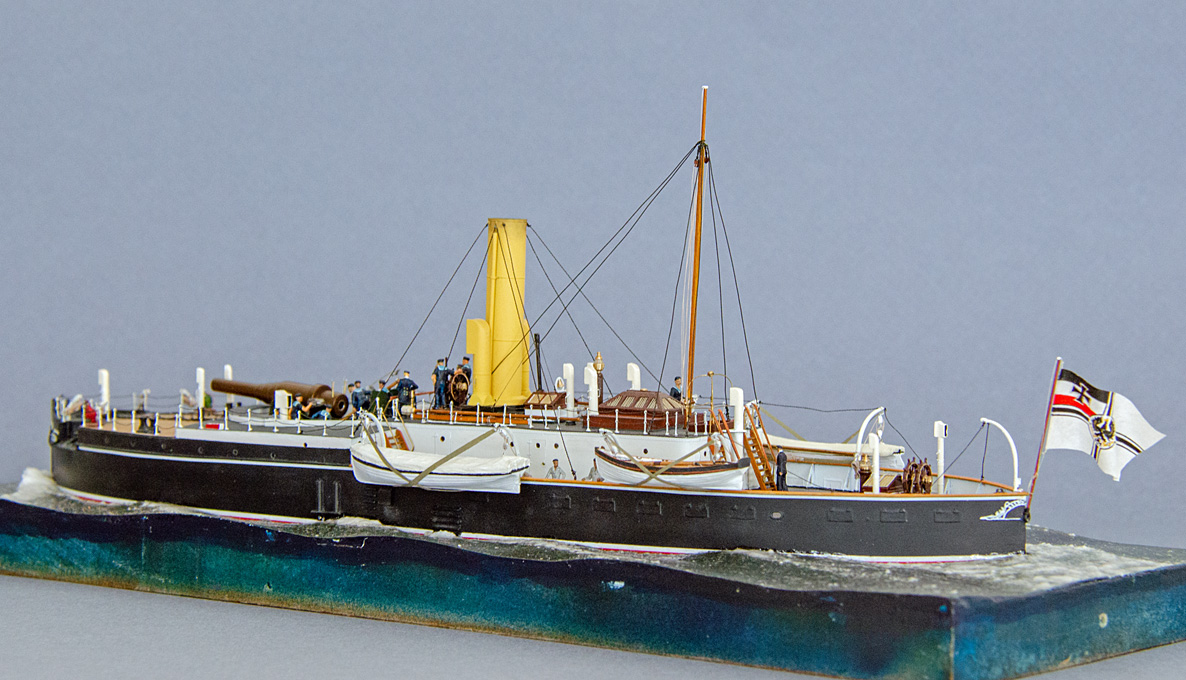 |
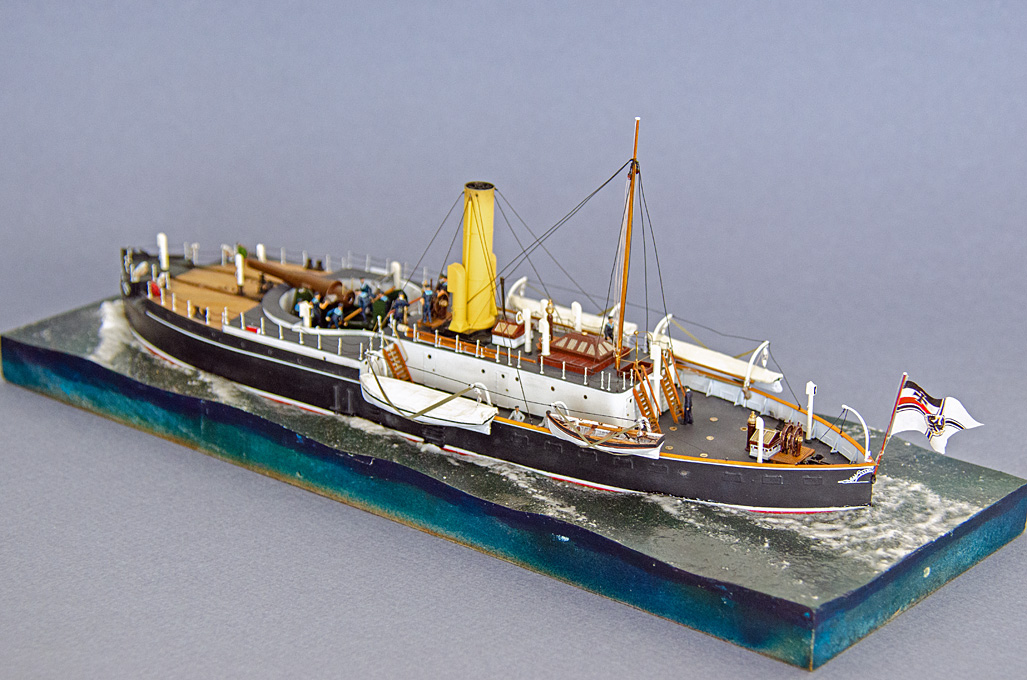 |
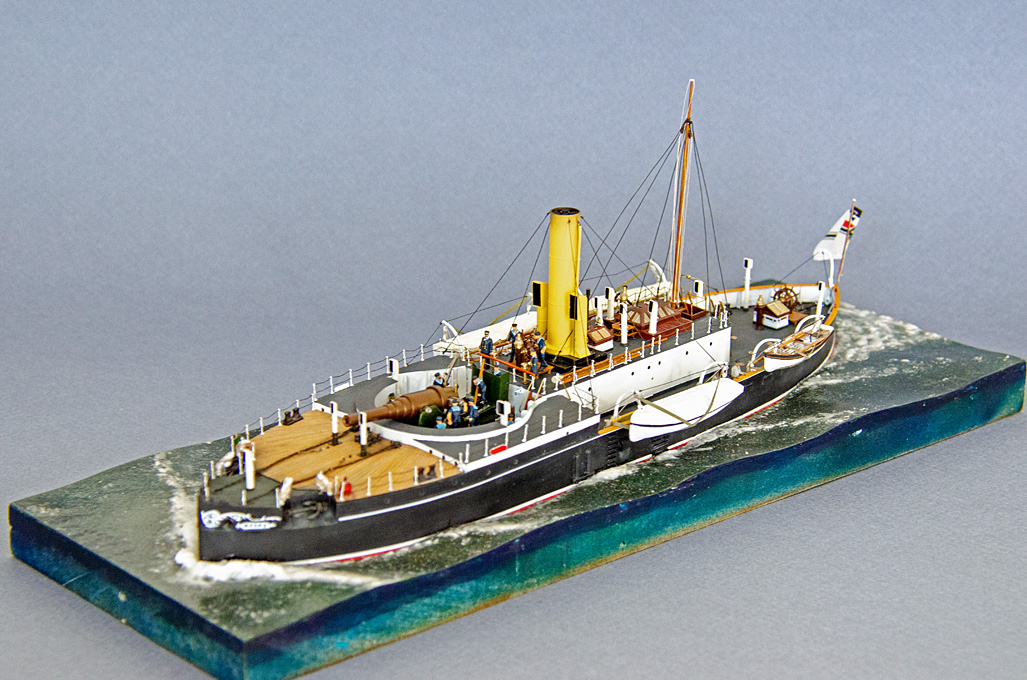 |
 |
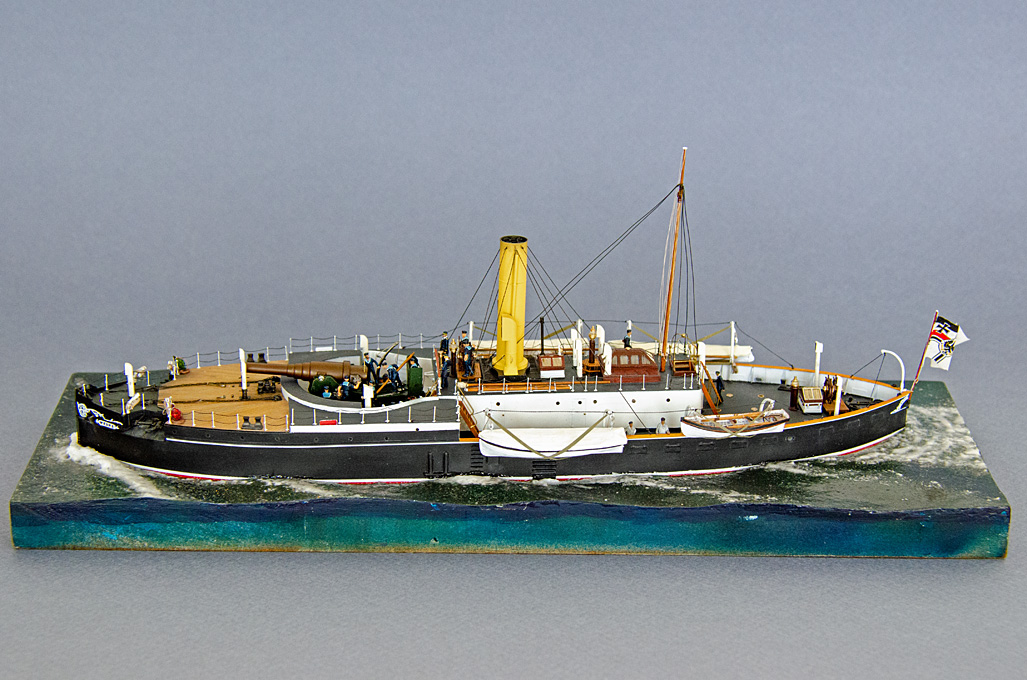 |
| |
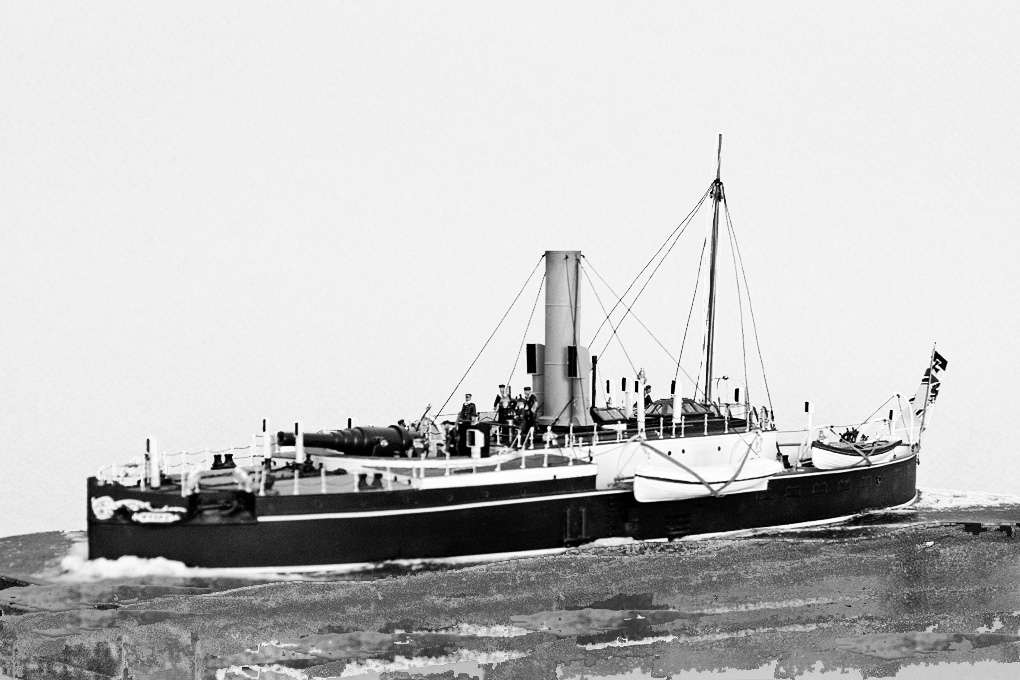 |
|
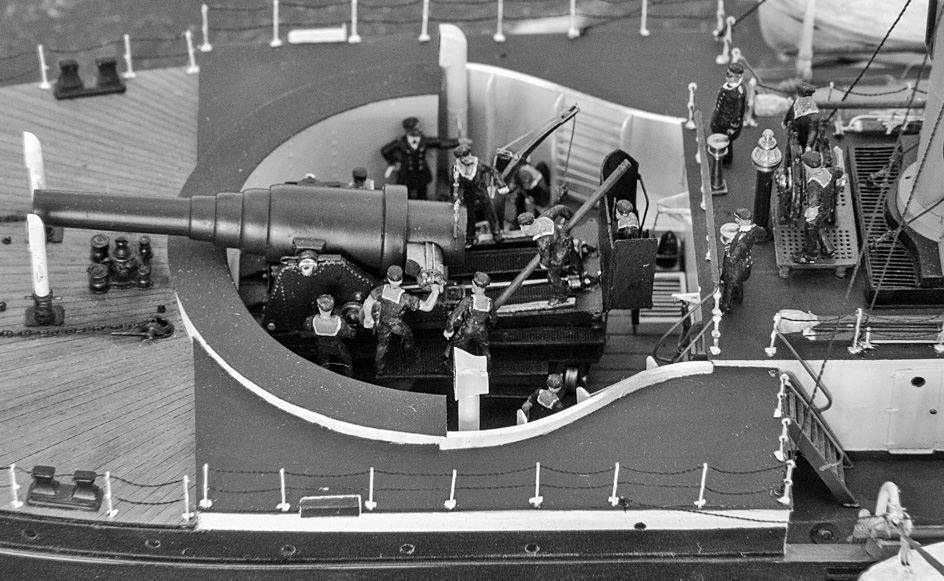 |
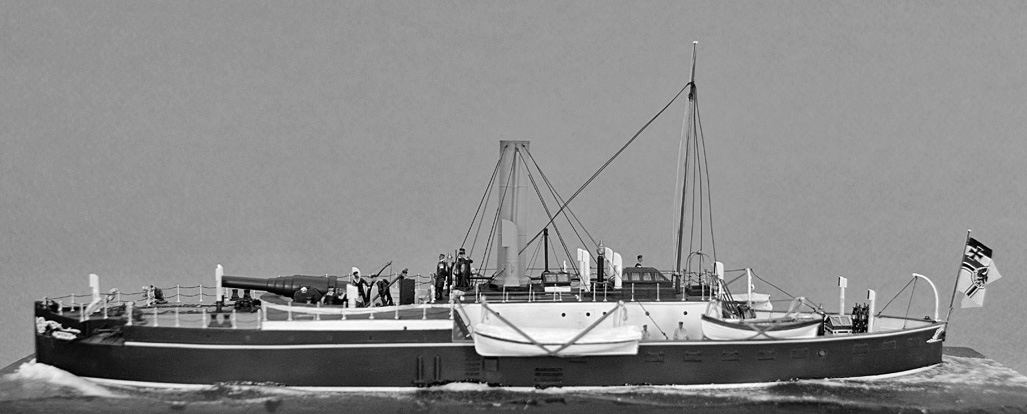 |
Below an overview over the research undertaken for the
reconstruction and the resources used is given.
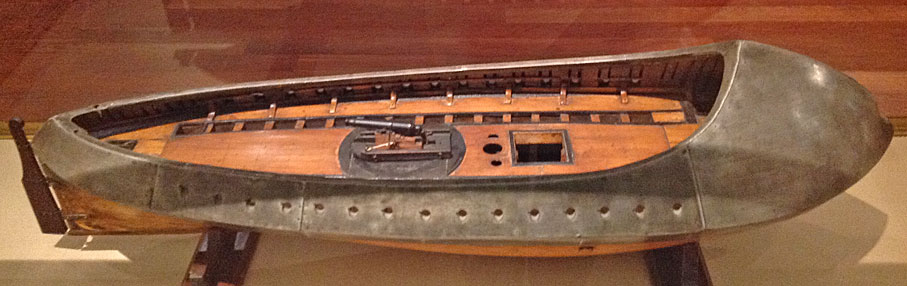 |
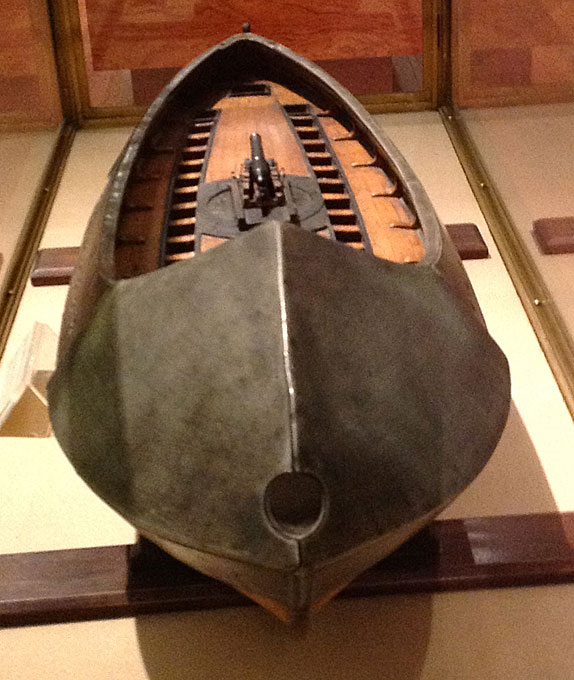 |
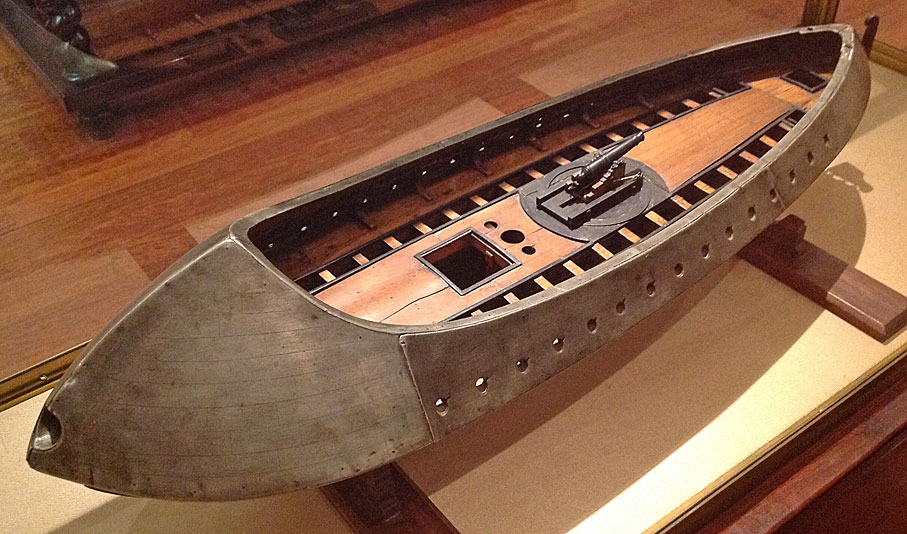 |
| Armoured rowing gun-boat of c. 1781, © Museo Naval, Madrid | ||
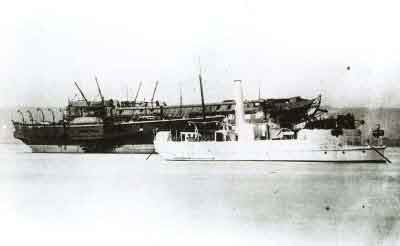 |
 |
 |
 |
 |
 |
 |
 |
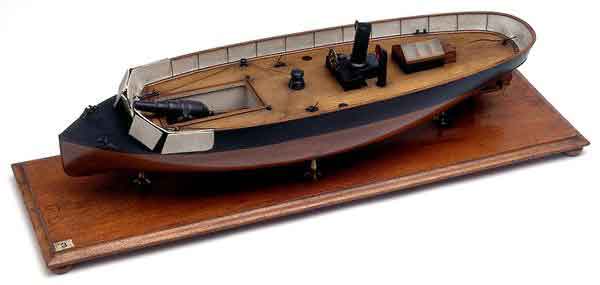
| HMS MASTIFF | HMS
STAUNCH |
CONSTITUCIÓN |
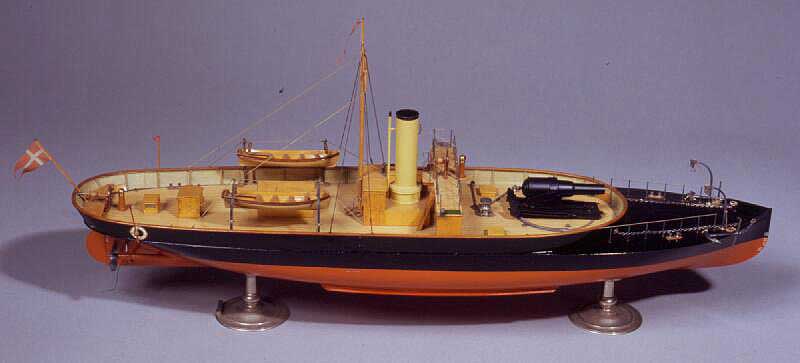
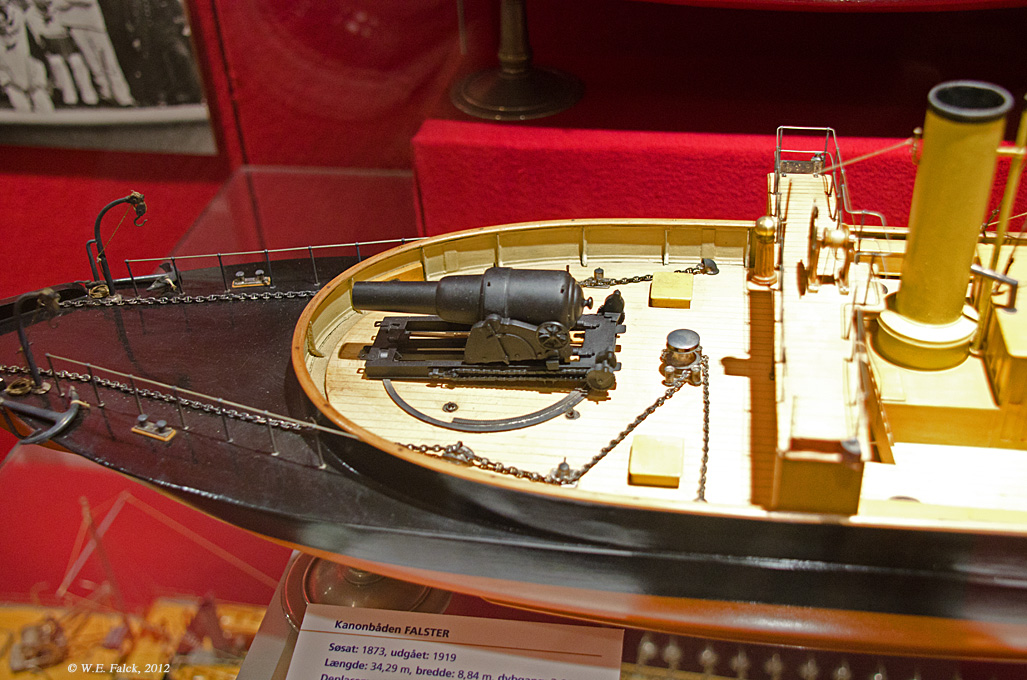
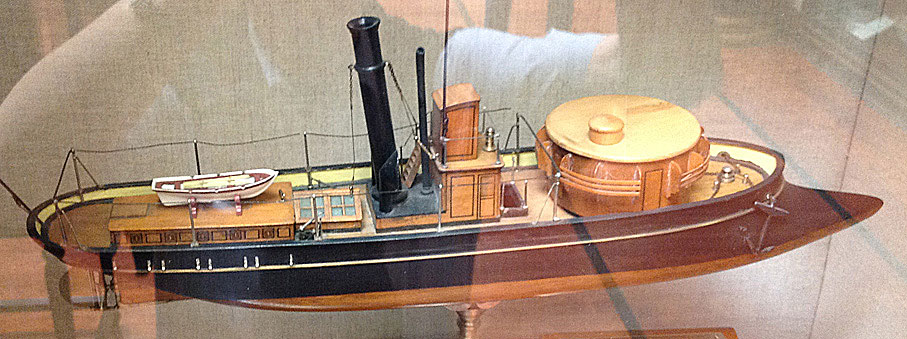
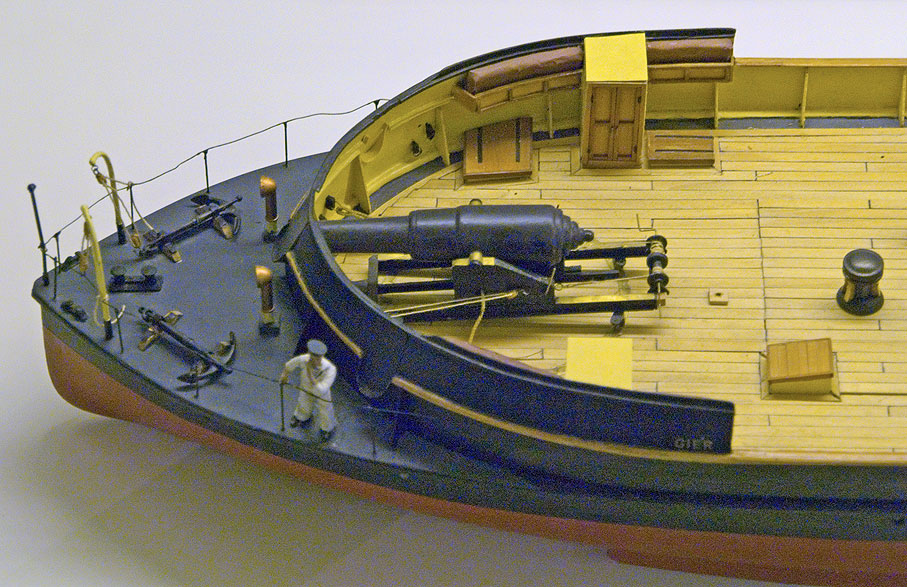
BERMEJO | FALSTER | SOMORROSTRO | ||
| © Science
Museum, London |
© NMM, Greenwich | © Museo
Naval
del
Tigre via http://www.histarmar.com.ar |
© Orlogsmuseet, Copenhagen | © Museo Naval, Madrid | |||
 |
 |
 |
 |
 |
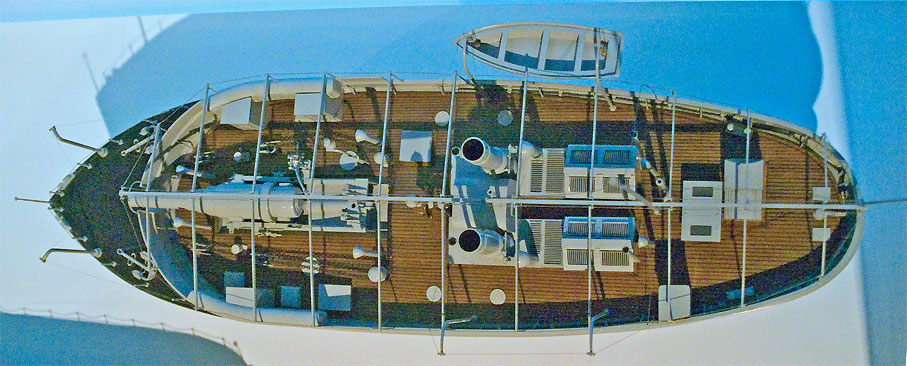 |
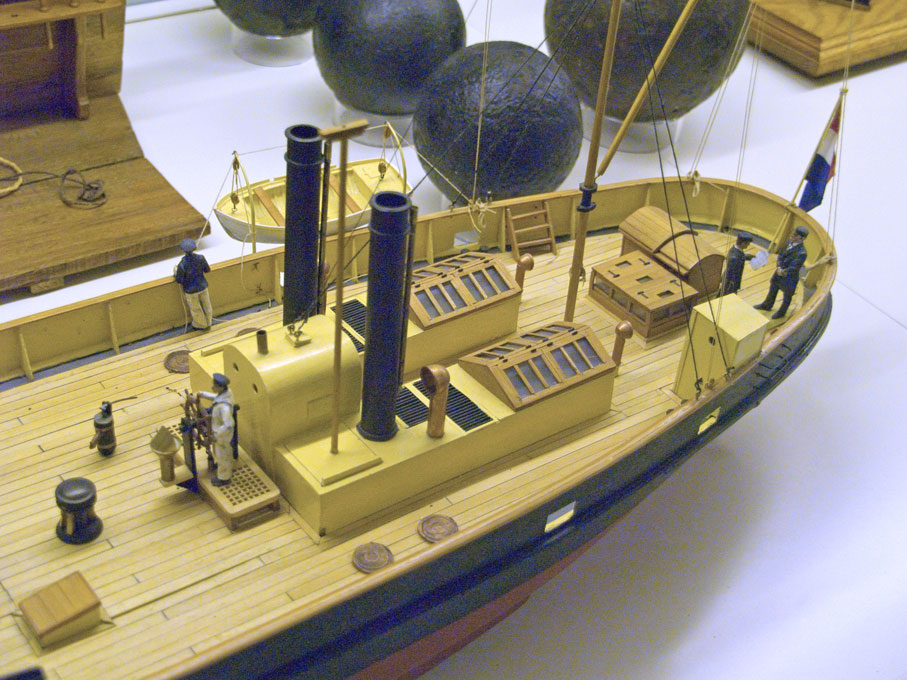
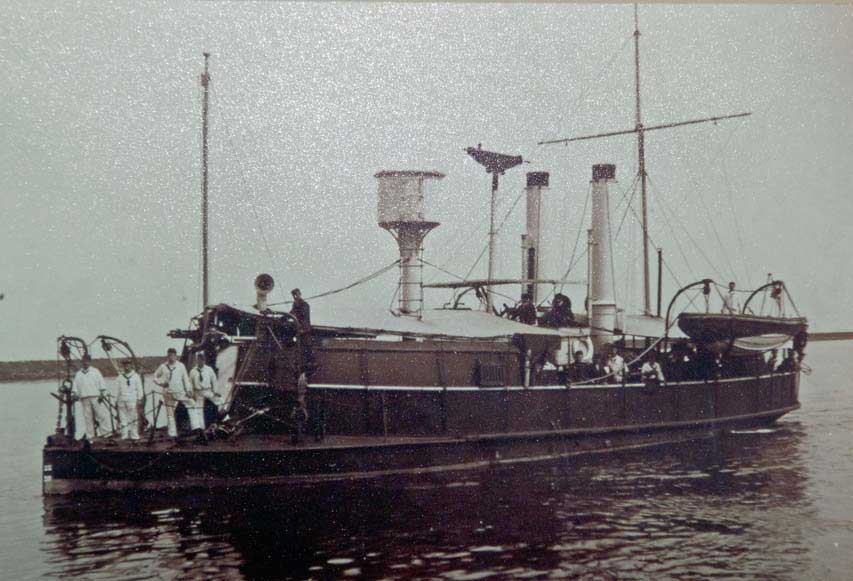
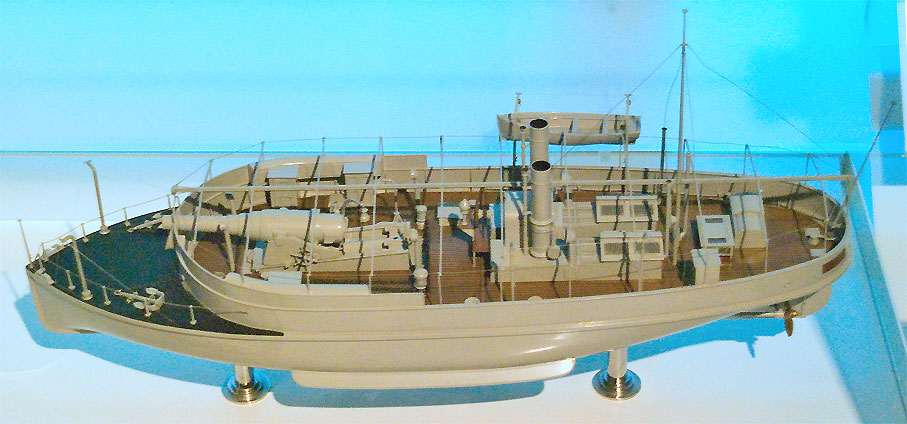
| Modern
model in early livery |
Photograph | Modern model in later livery | |||
| STAUNCH-Class gunboat of the Royal Dutch Navy, © Marinemuseum, Den Helder | |||||
 |
 |
 |
| BRIX (1876) | ||
 |
 |
 |
 |
 |
 |
 |
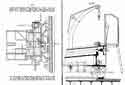 |
 |
| GALSTER
(1885) |
||||||||
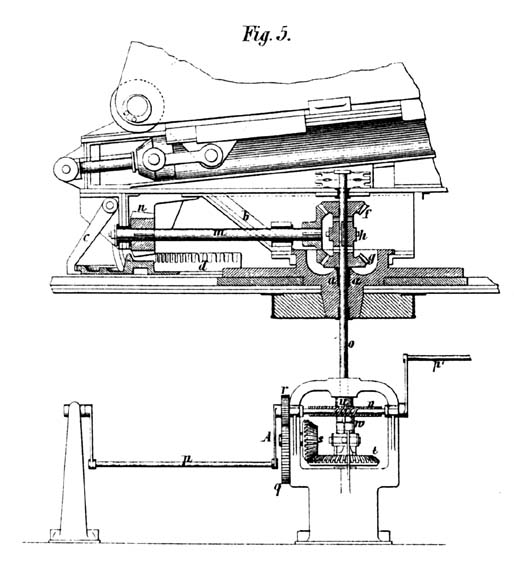 |
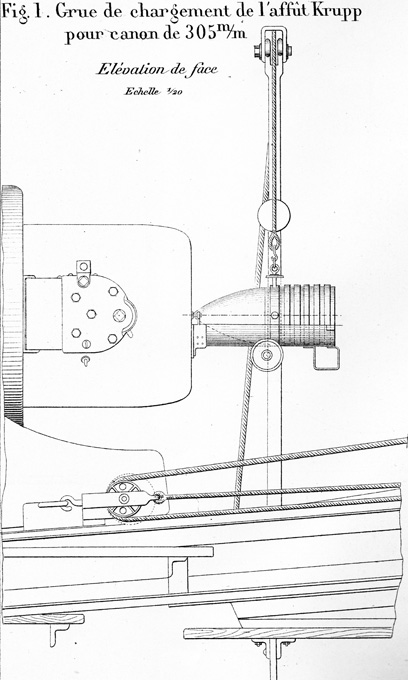 |
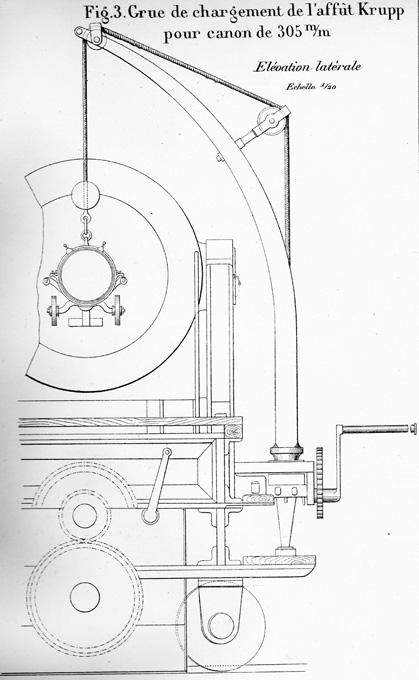 |
 |
 |
 |
 |
 |
 |
 |
| ANONYM (1882) | MINISTÉRE DE LA MARINE
ET DES COLONIES
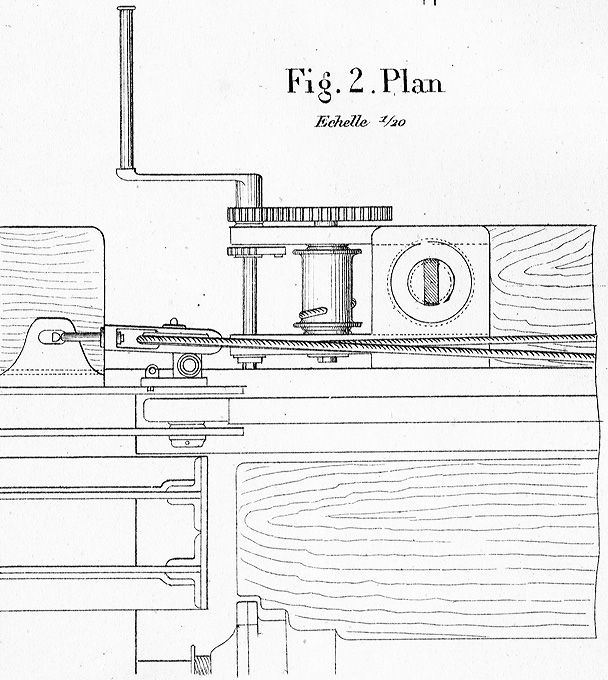
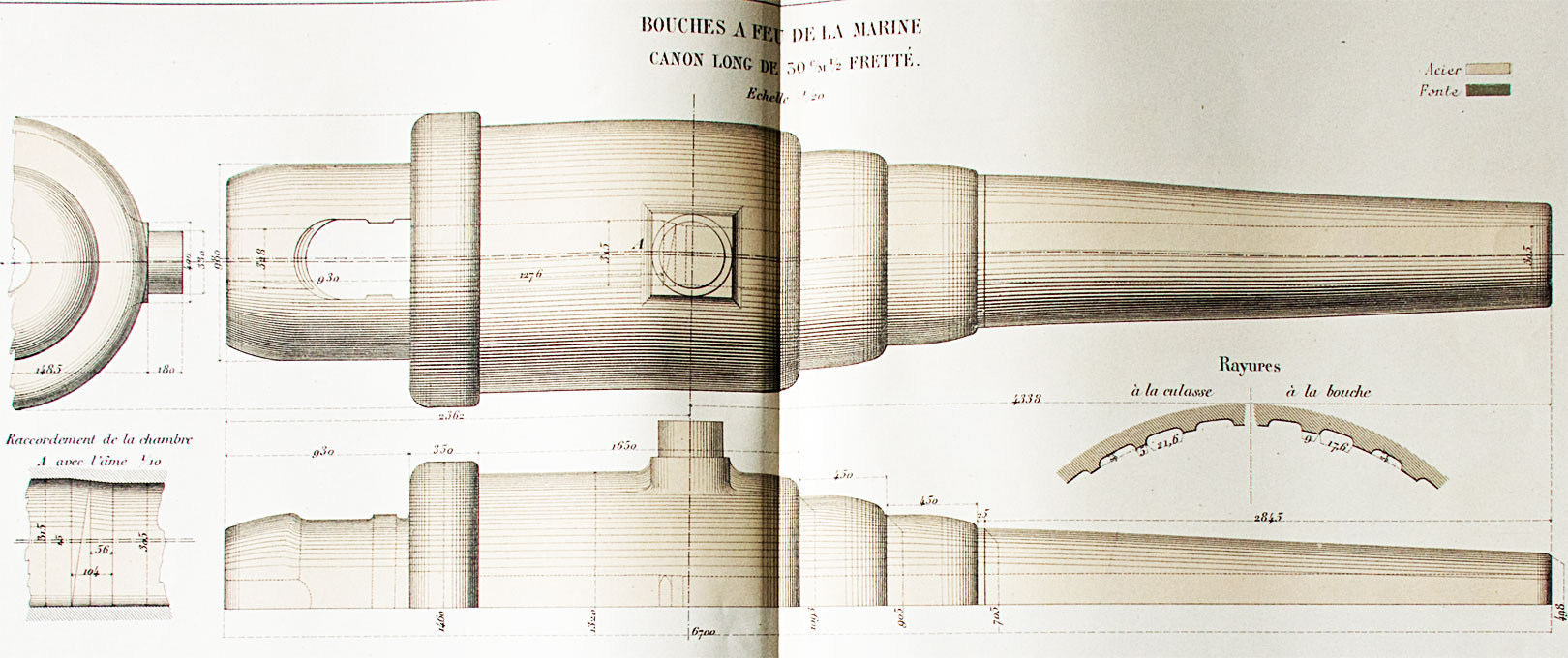
(1874, 1883) |
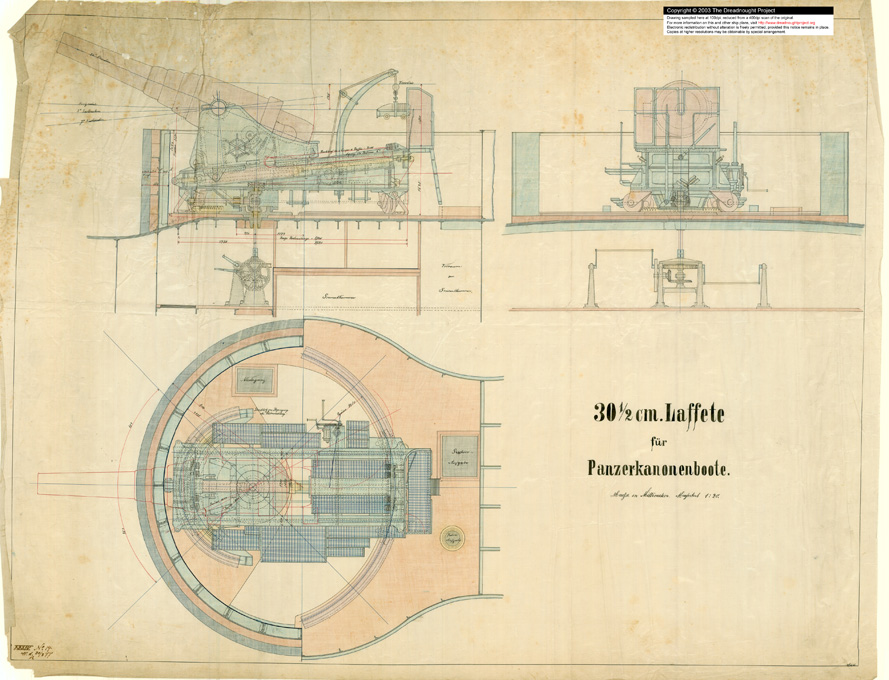
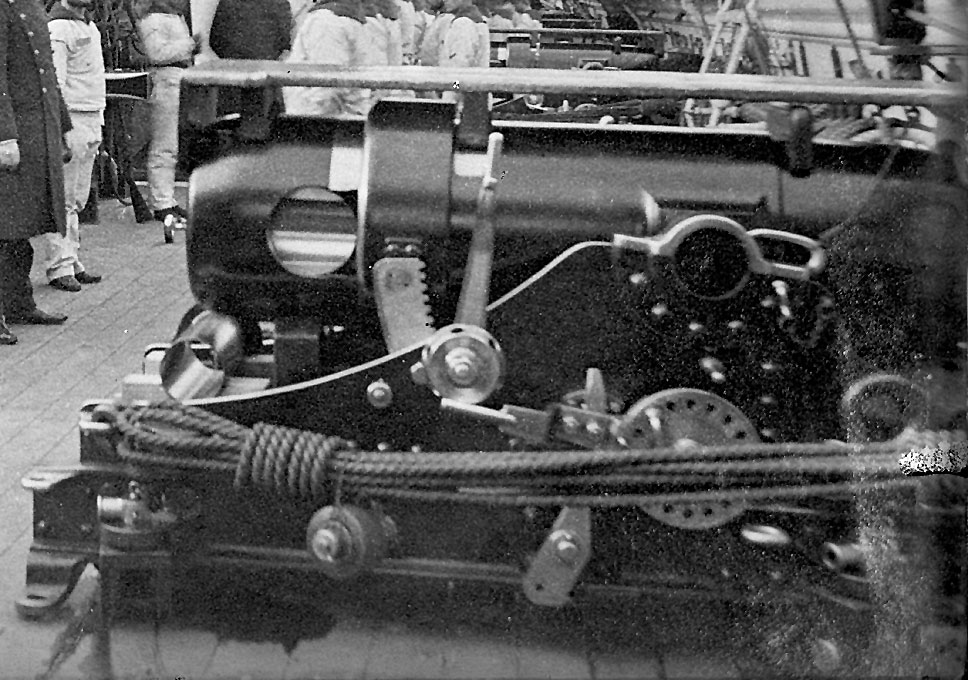
Admiralty drawing of the gun from |
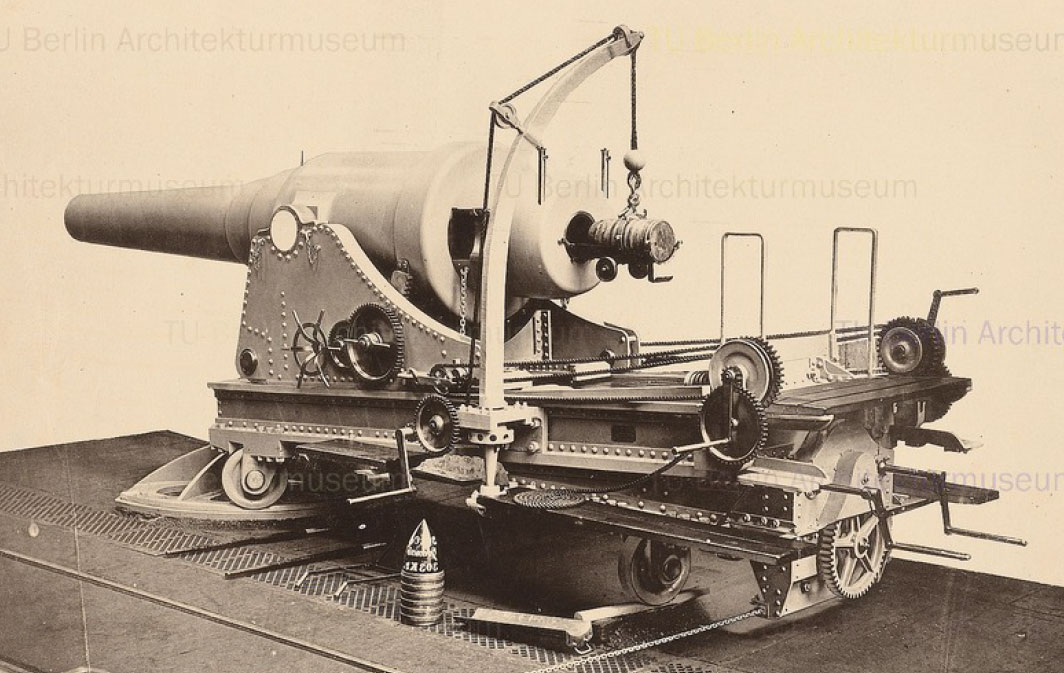
Krupp promotional photograph of the 30,5 cm RK/l22 Architekturmuseum TU Berline |
A 15 cm RK/l22 in
upper deck livery
|
After gun on dock- yard model of SMS WACHT (1887) DSM, Bremerhaven |
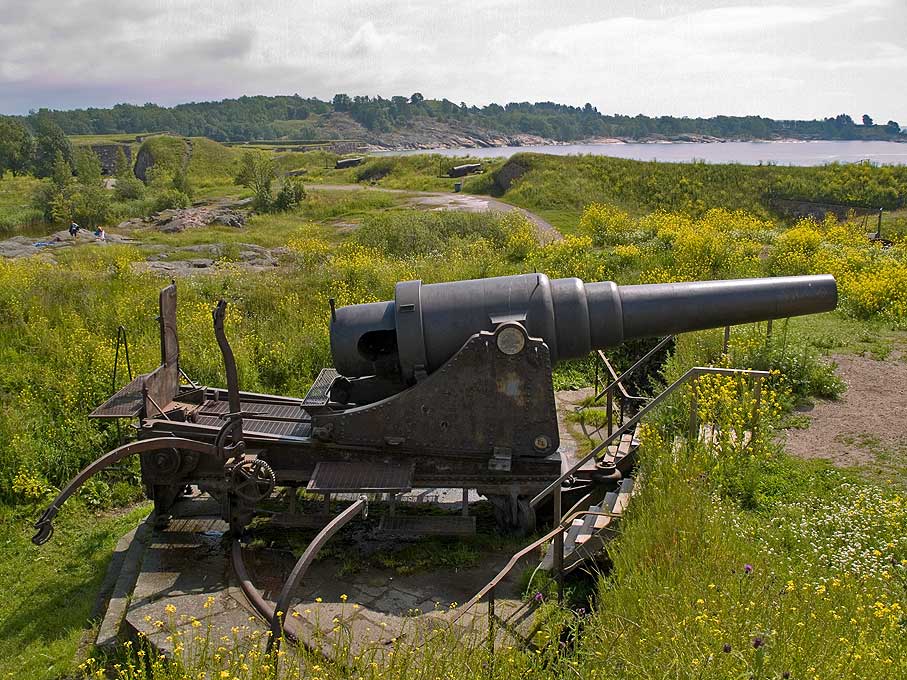
28 cm Krupp-clone
Suomenlinna fortress outside Helsinki A pictorial survey |
|||
 |
 |
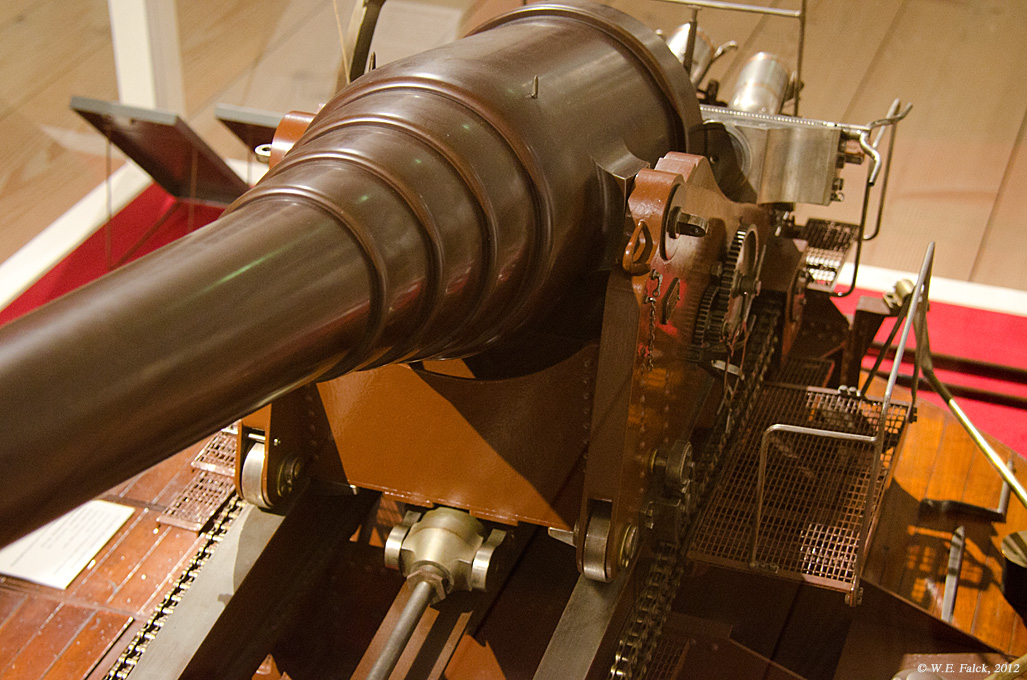 |
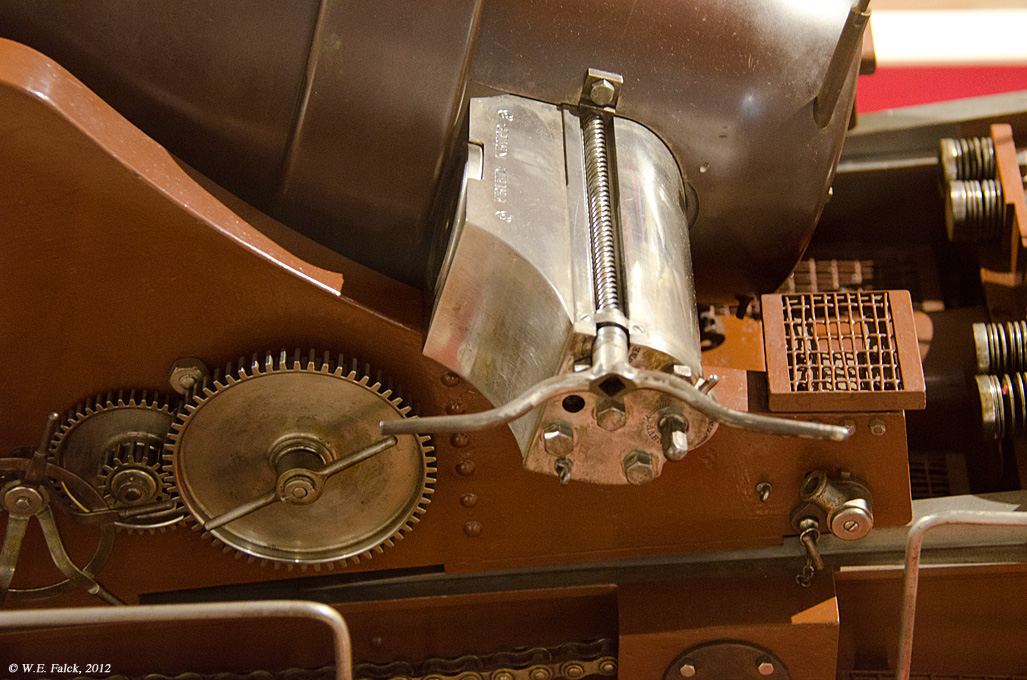 |
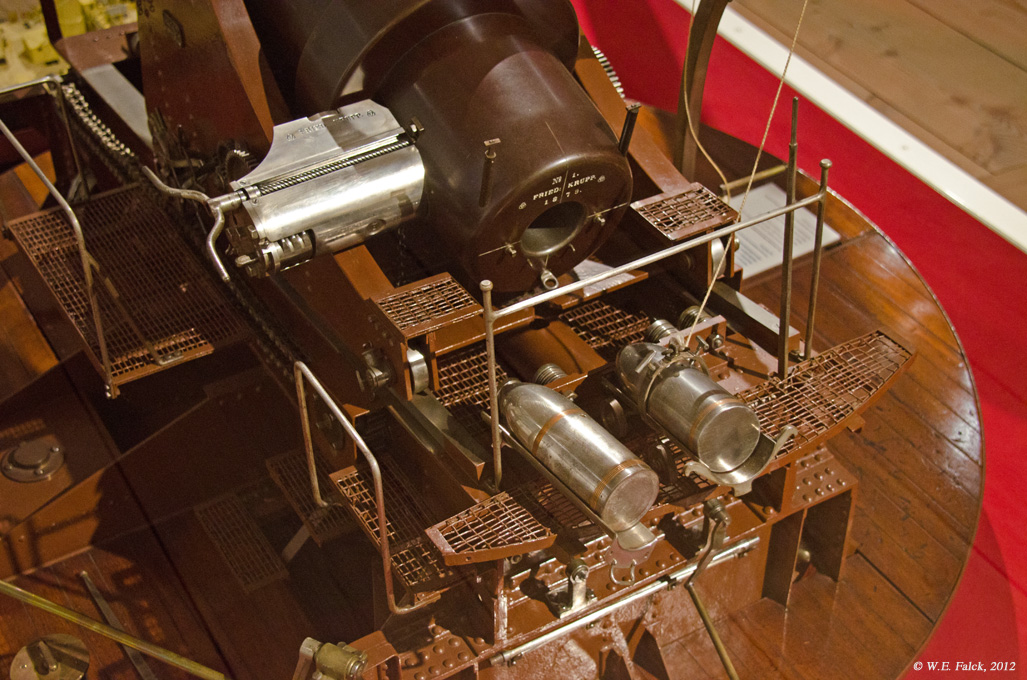 |
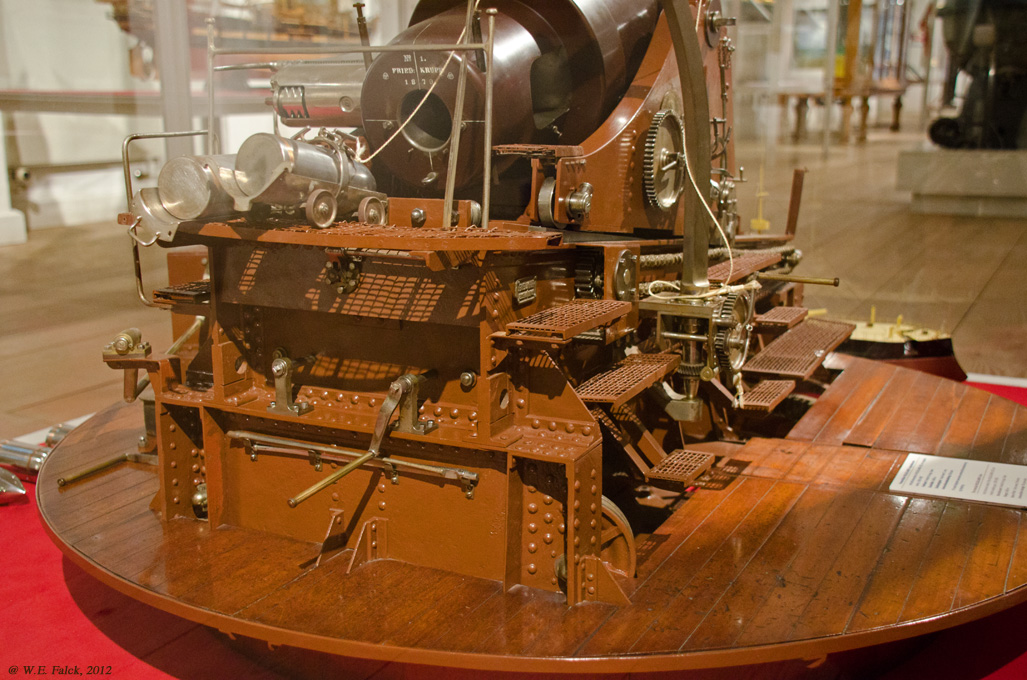 |
 |
 |
 |
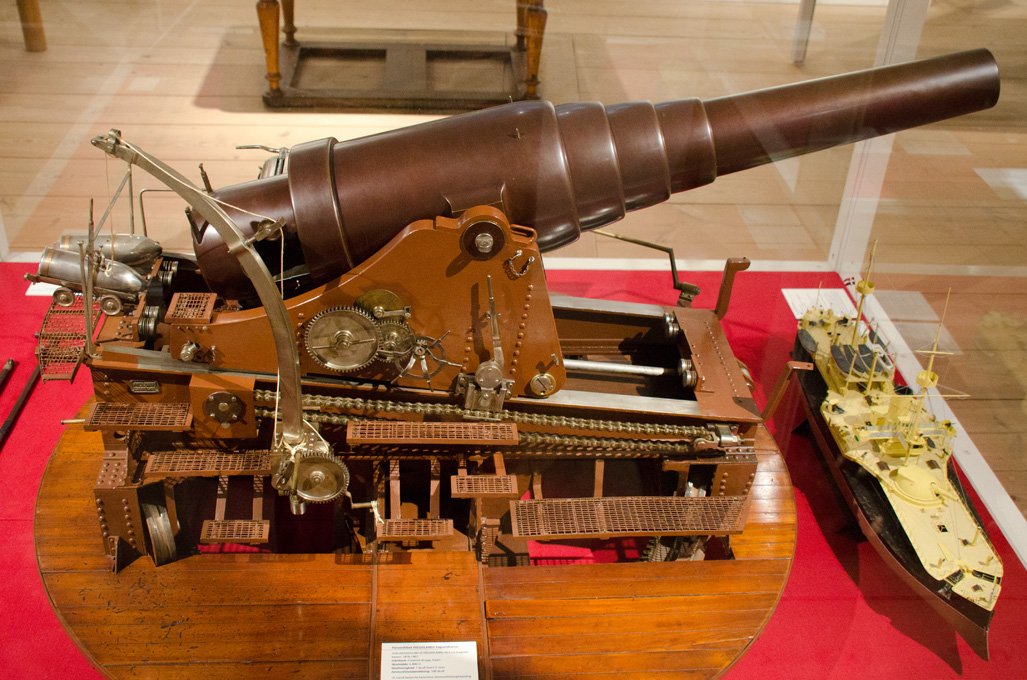
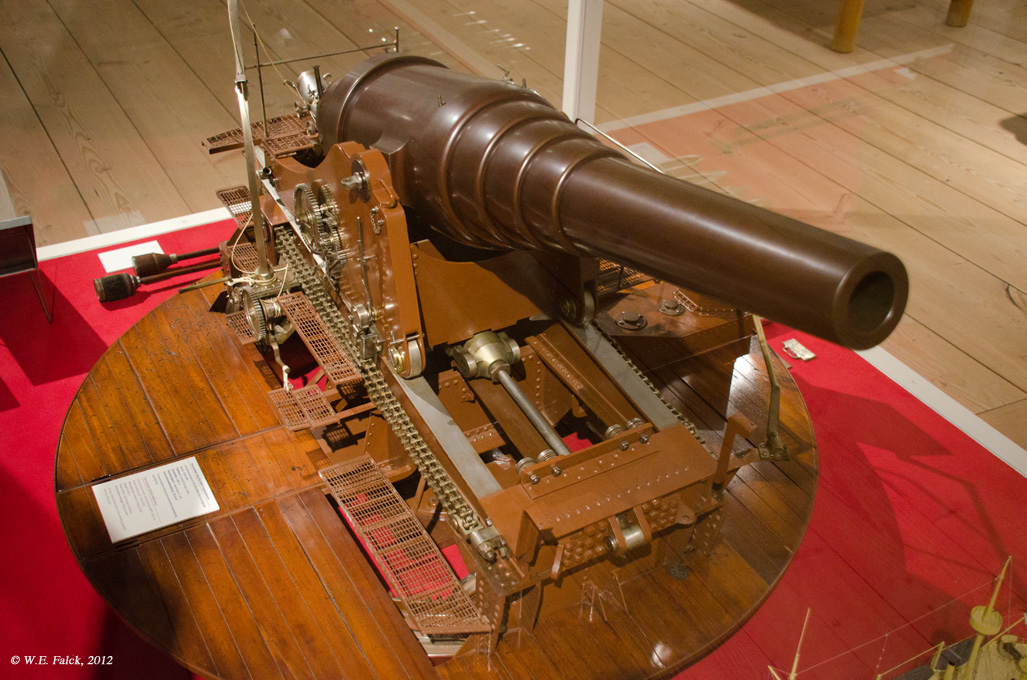
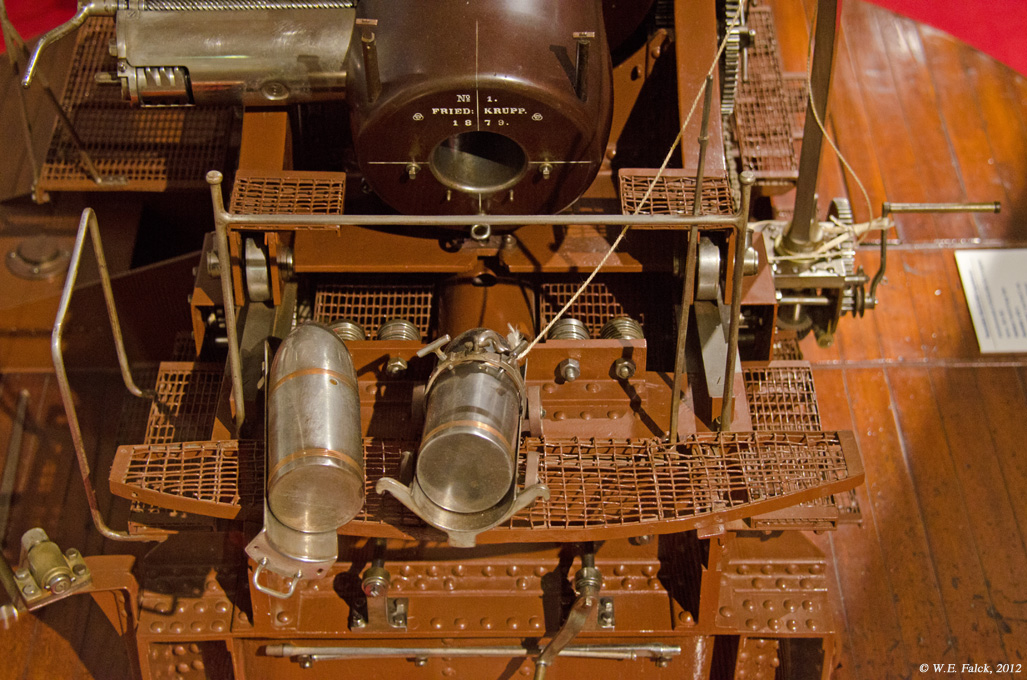
| Overview |
Lock (open) |
Rear
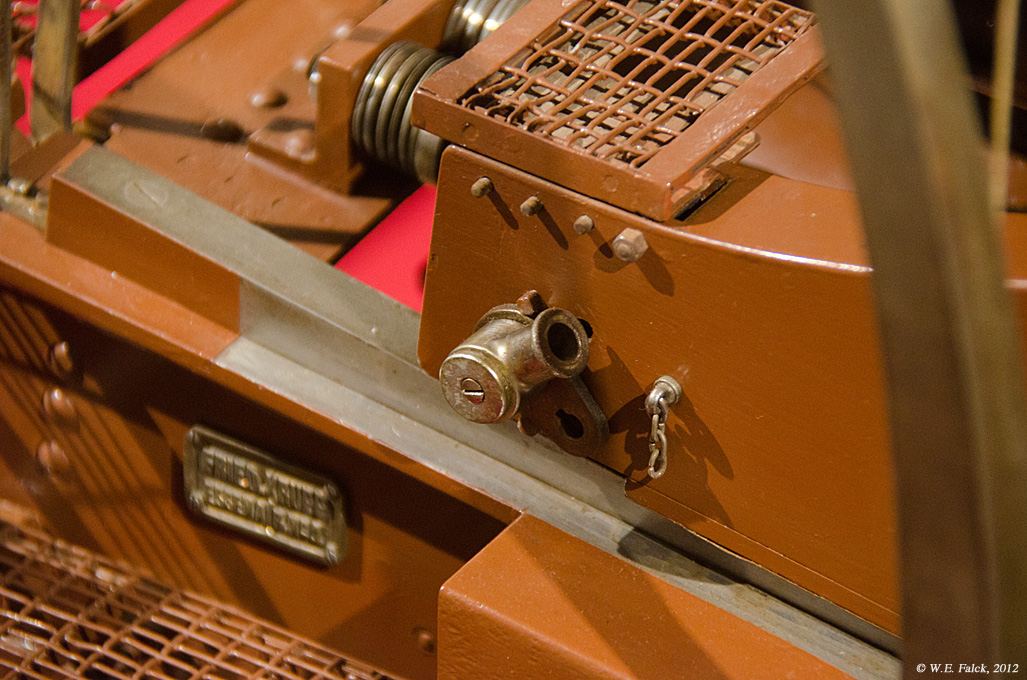
of carriage |
Starboard
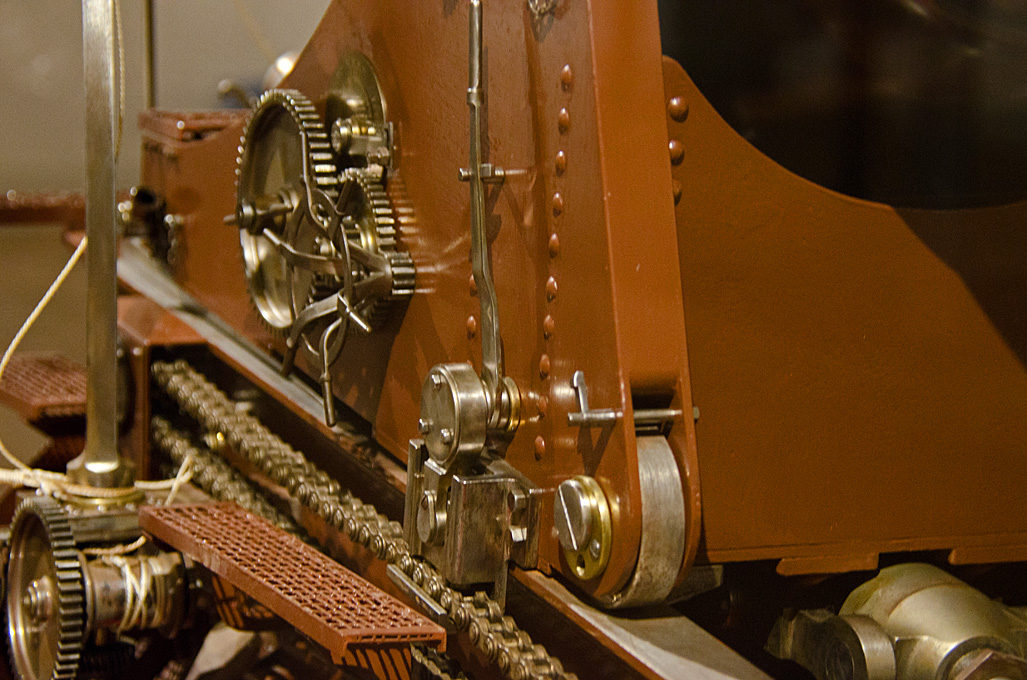
side of carriage |
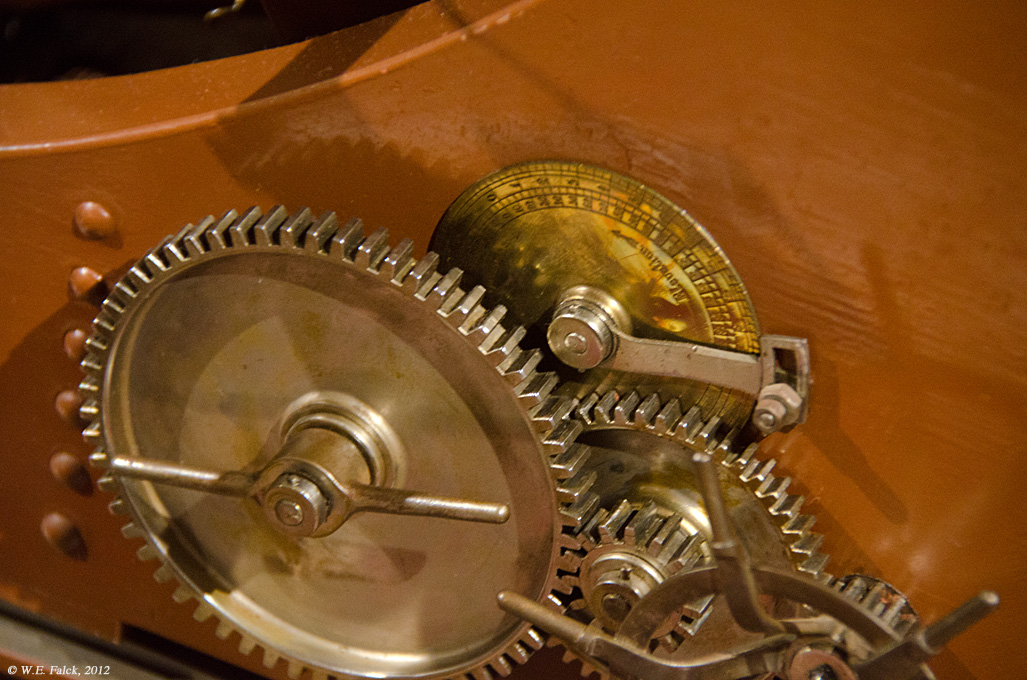
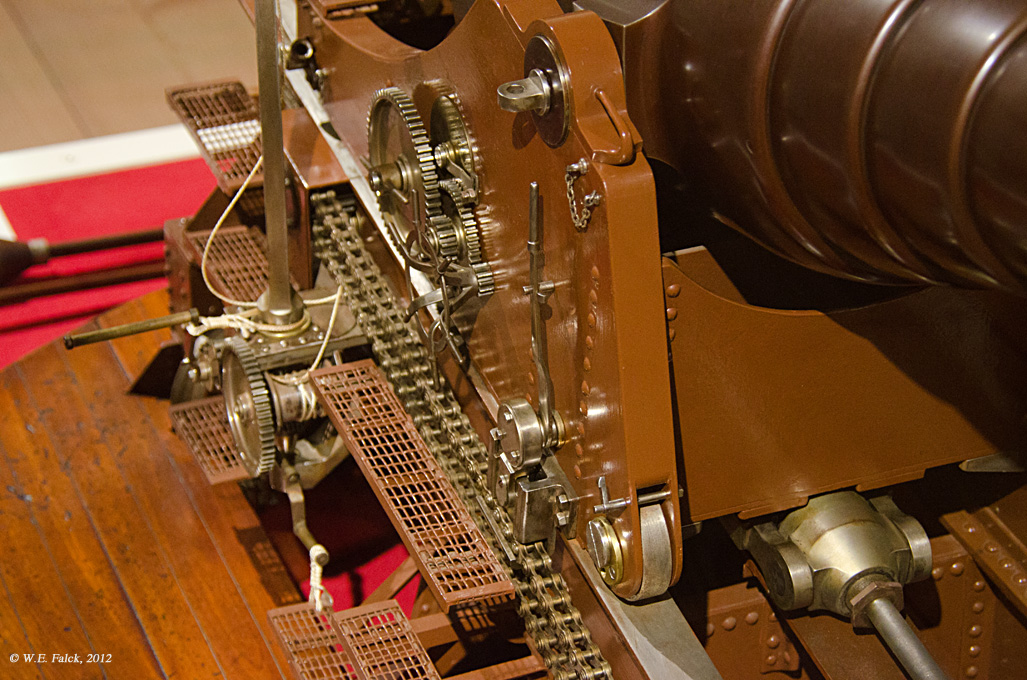
Elevating gears, brake and indicator |
||||
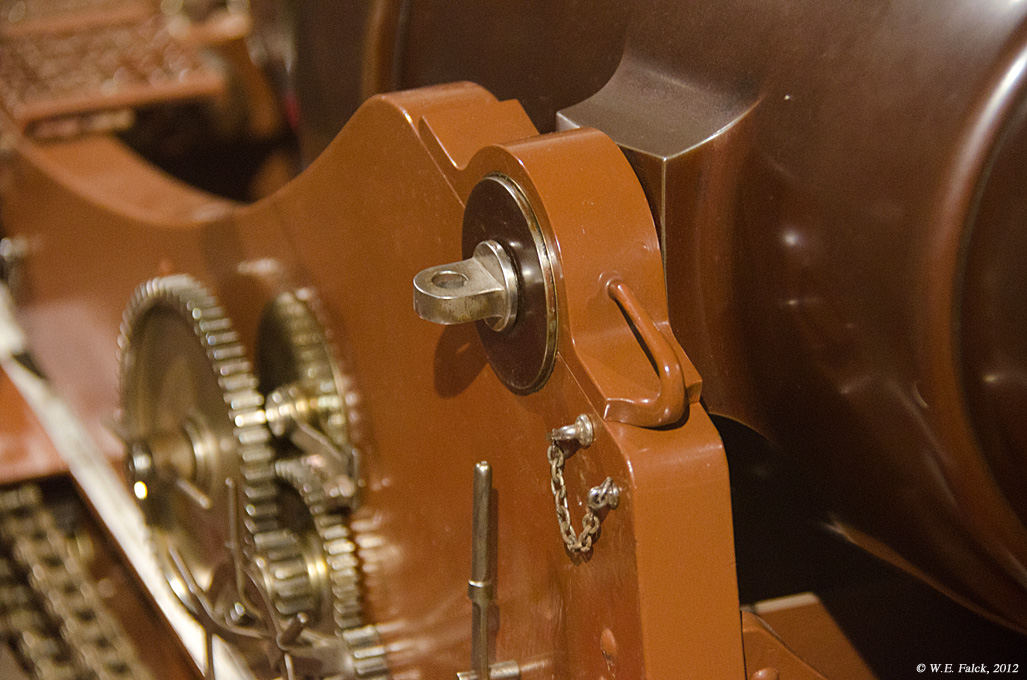
| Instruction model for the Rk 30.5/l22 on HELGOLAND in the Orlogsmuseet Copenhagen | ||||||||
 |
 |
 |
 |
 |
 |
 |
 |
 |
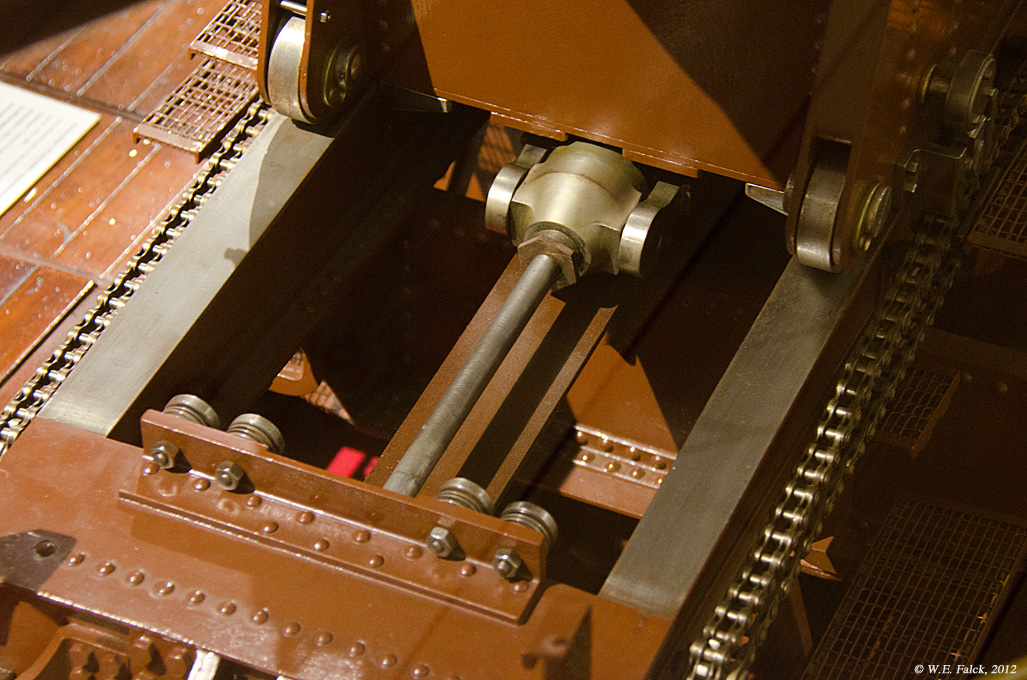
| Hydraulic recoil brake |
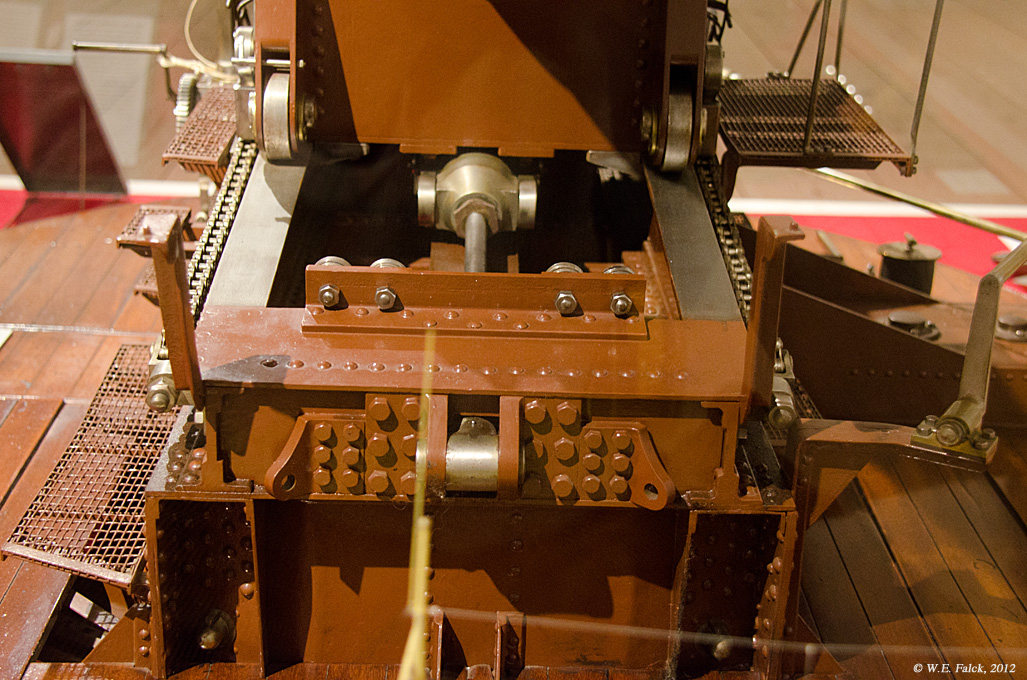
Front of carriage |
Starboard side of carriage |
Bearing for barrel |
Front rollers of upper carriage |
Excentric rear rollers of upper carriage |
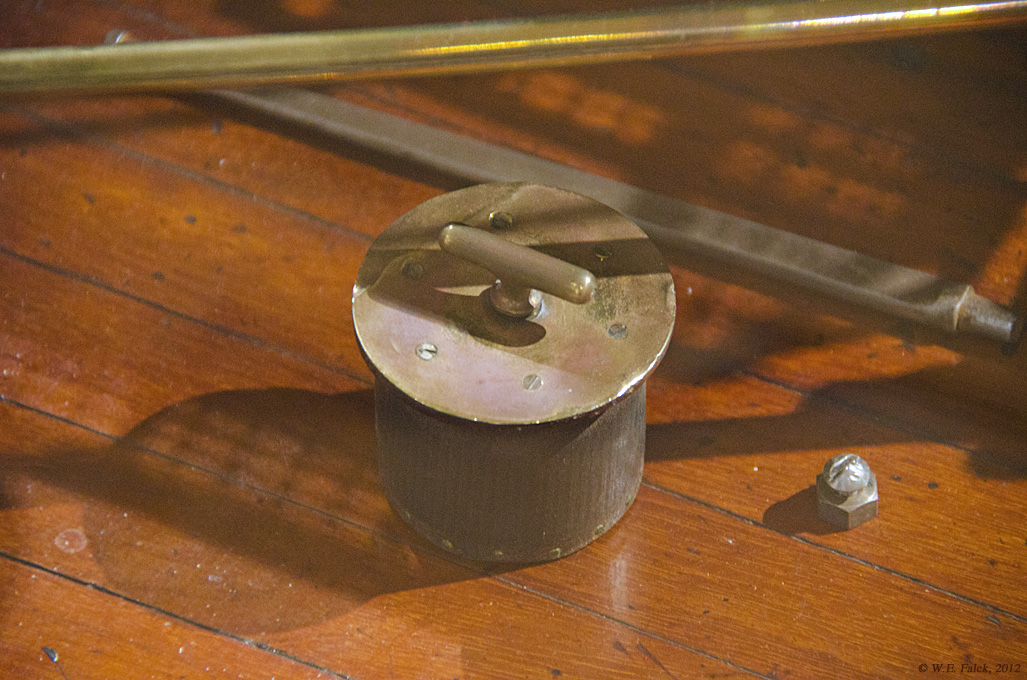
Tampion and lever for excentric rear rollers
|
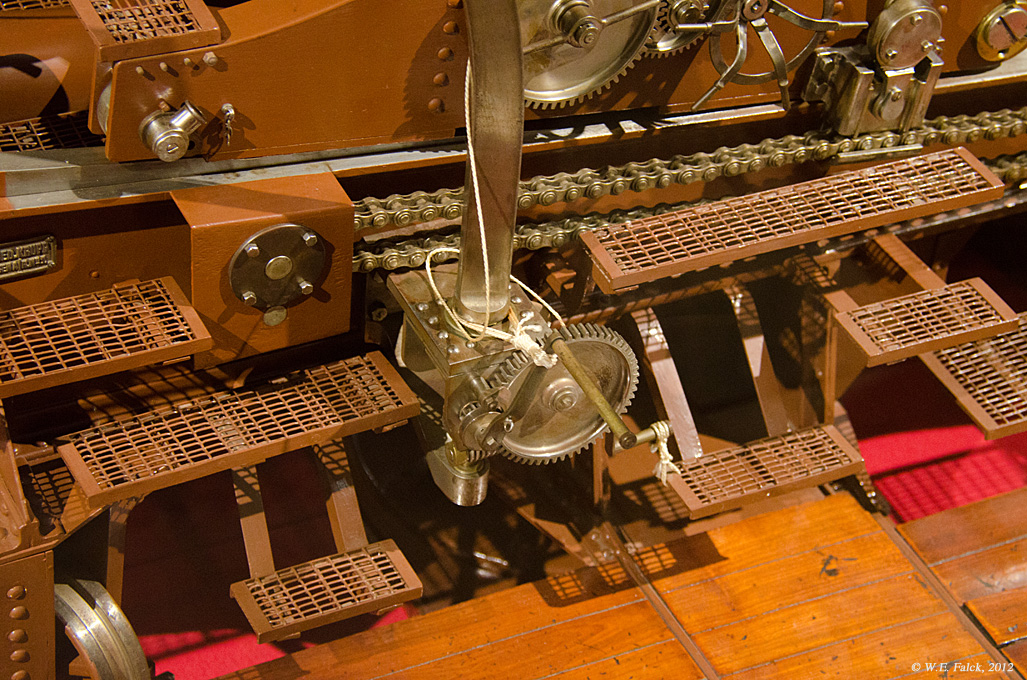
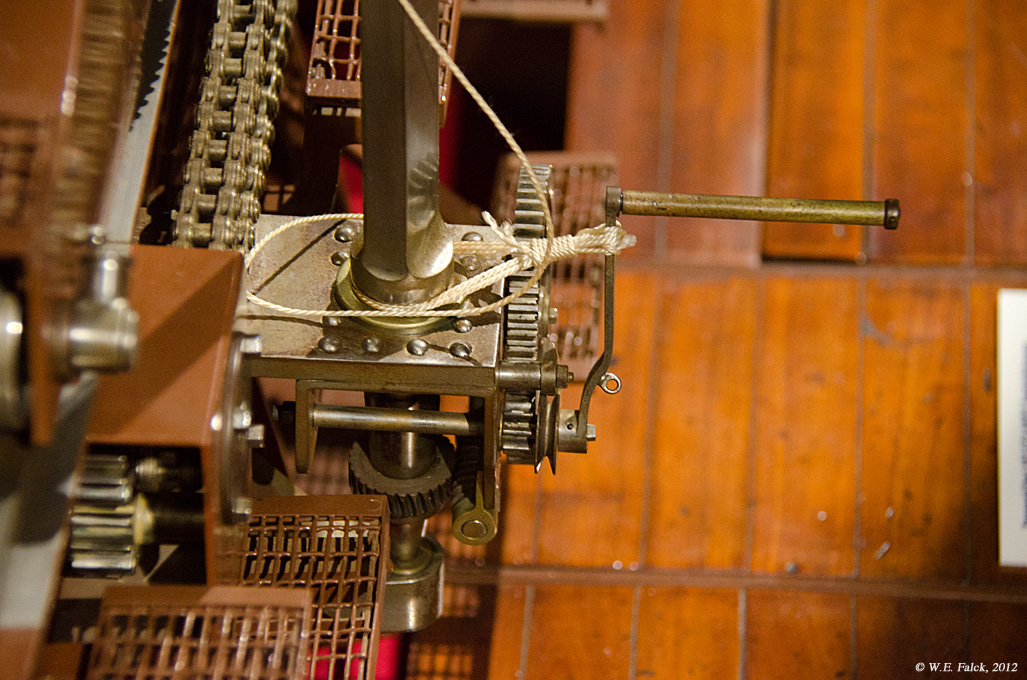
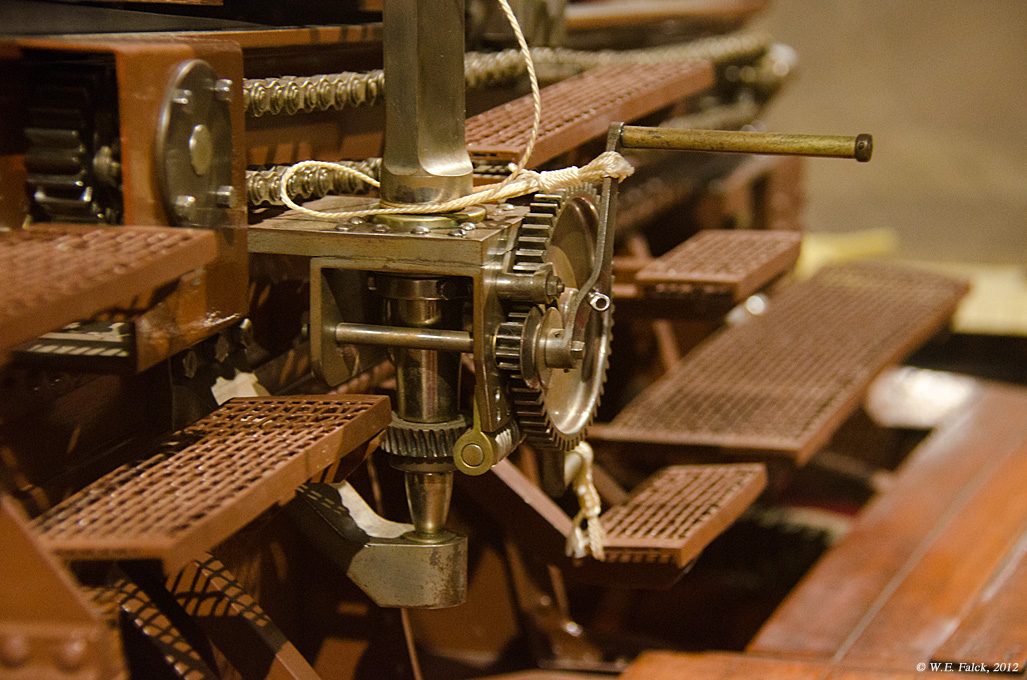
Gear
drive for shell hoisting crane |
|
| Instruction model for the Rk 30.5/l22 on HELGOLAND in the Orlogsmuseet Copenhagen | ||||||||
 |
 |
 |
 |
 |
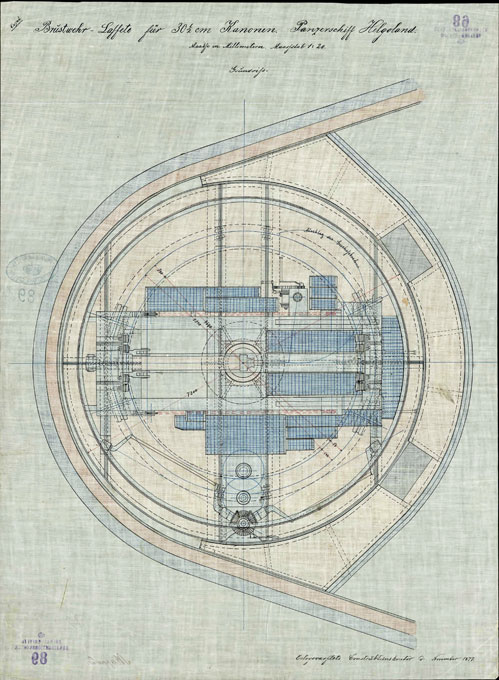 |
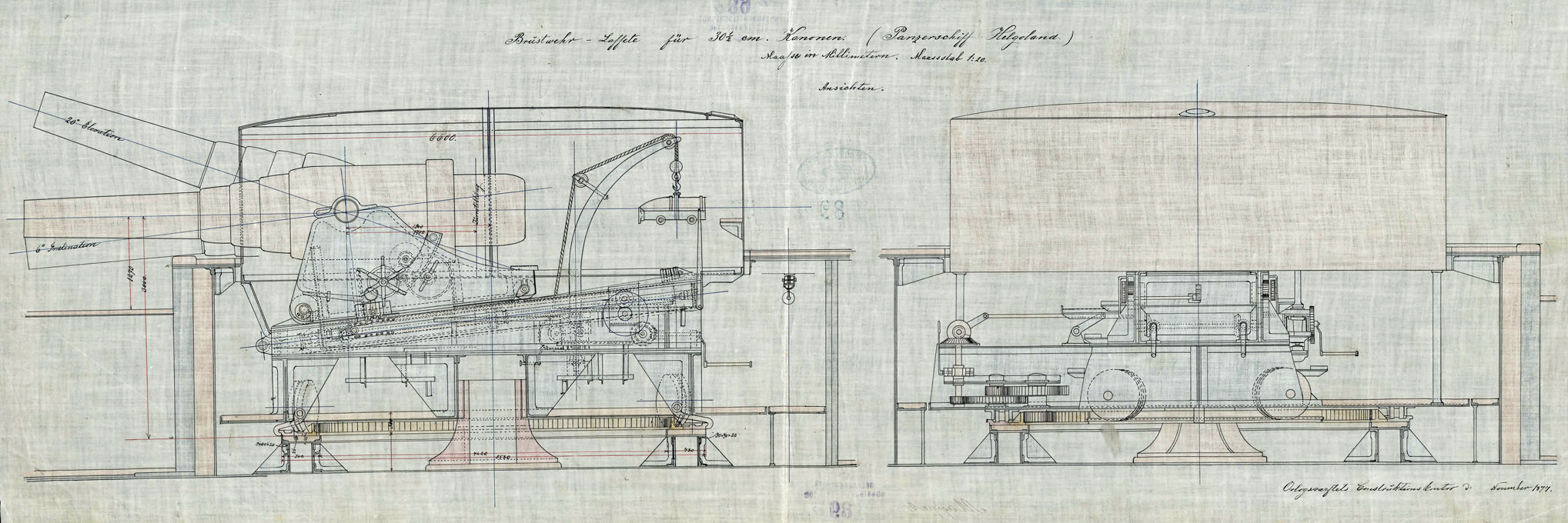 |
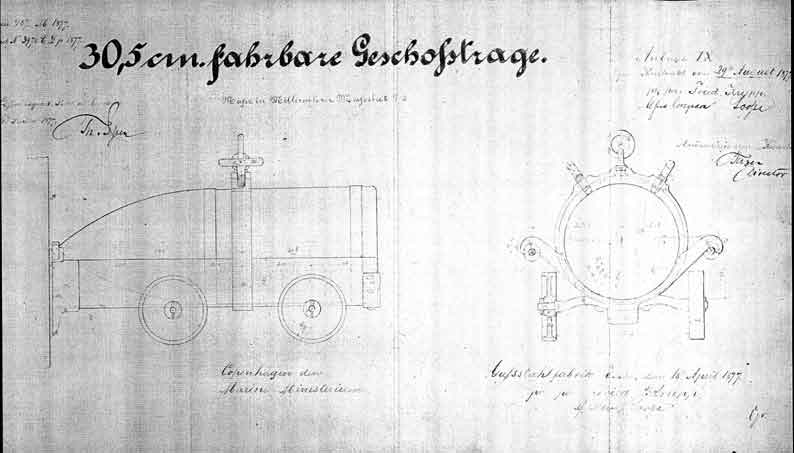 |
|
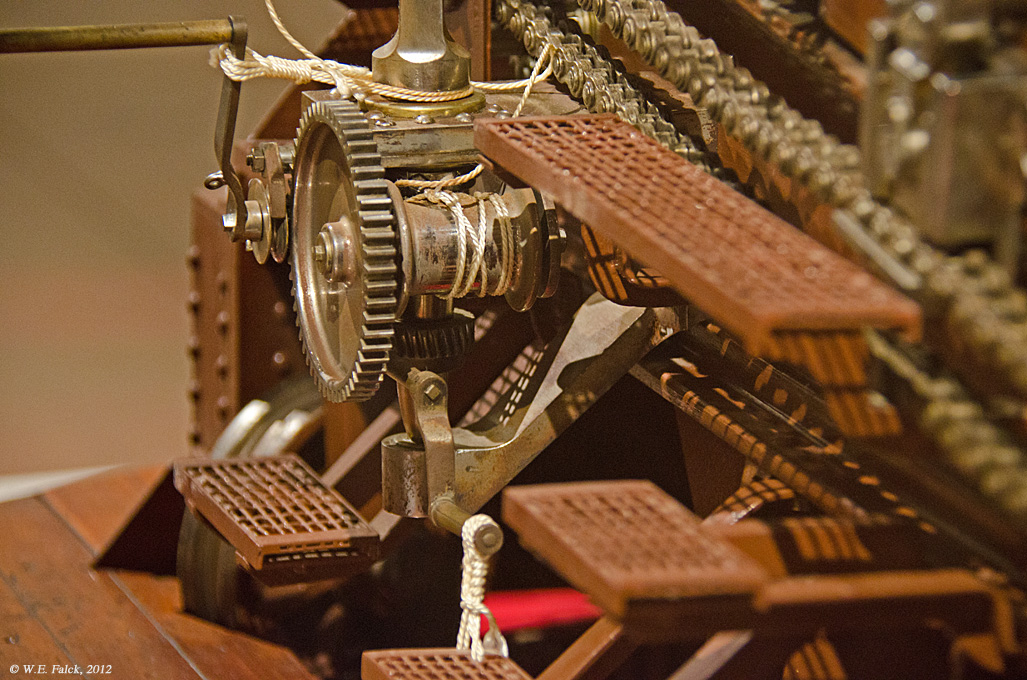
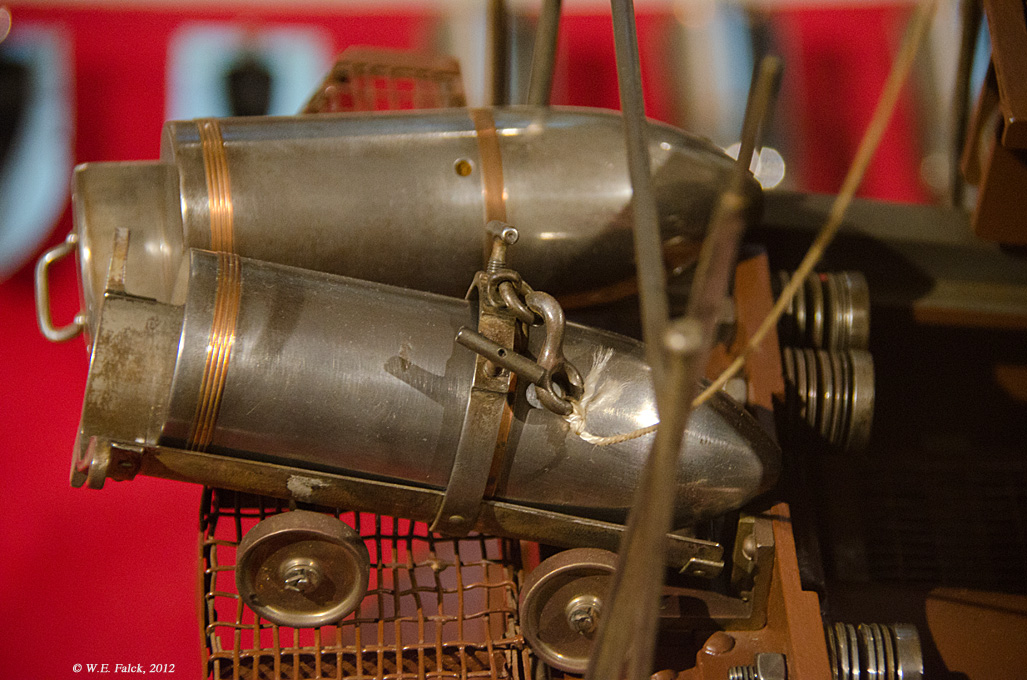
| Gear drive for shell hoisting crane | Shells and hoisting cradles |
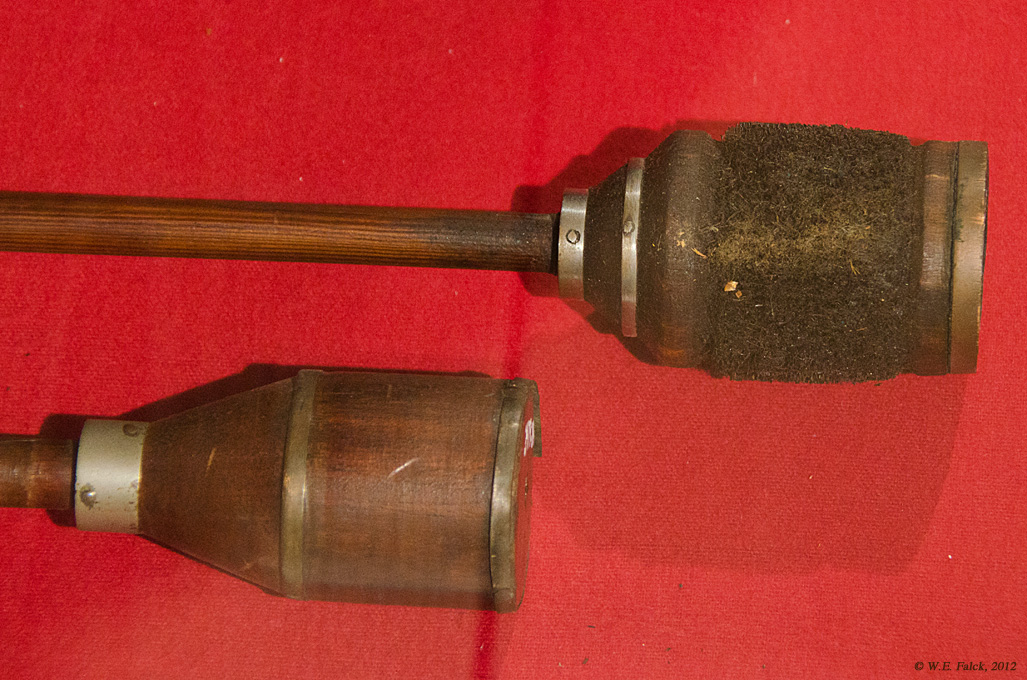
Wiper (above) and ram (below) |
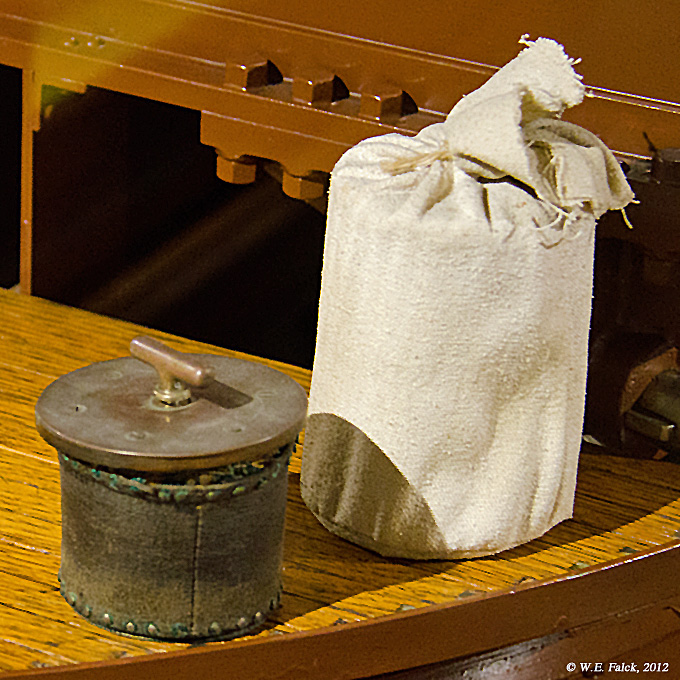
Expanding tampion and powder bag |
Dispostion
of the gun on the armoured battleship HELGOLAND
|
Drawing of the shell hoisting cradle |
|||
| Instruction model for the Rk 30.5/l22 on HELGOLAND in the Orlogsmuseet Copenhagen | ©
Orlogværvet - Rigsarkivet |
|||||||
Some specimens of
full-size 28 cm guns built in Russia presumably under license by
Krupp survive in various stages of decay on the fortress island
of Suomenlinna
just outside Helsinki in Finland. A pictorial survey of the
guns' details can be found here.
 |
 |
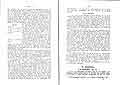 |
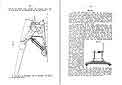 |
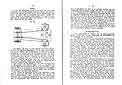 |
 |
| GALSTER (1885) | |||||
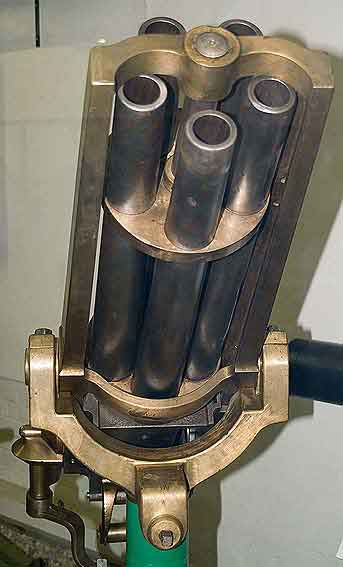 |
 |
 |
 |
 |
 |
 |
 |
 |
 |
 |
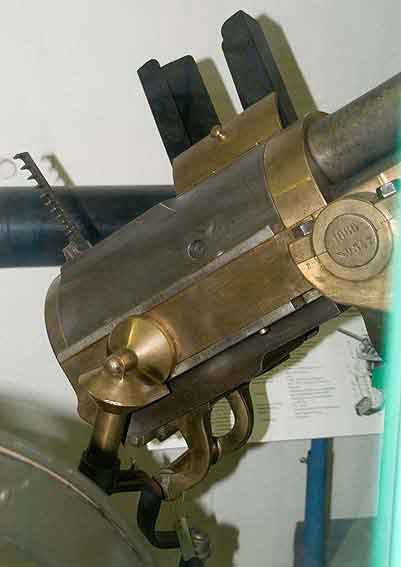
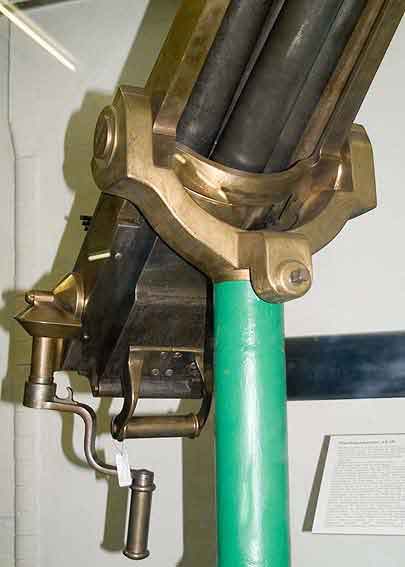
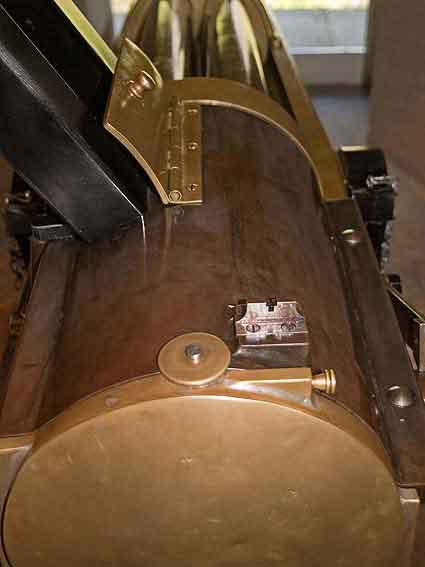
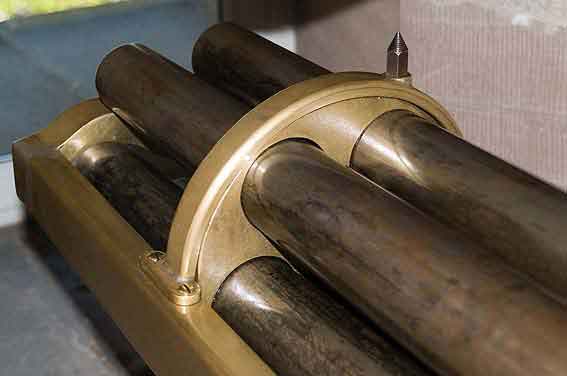
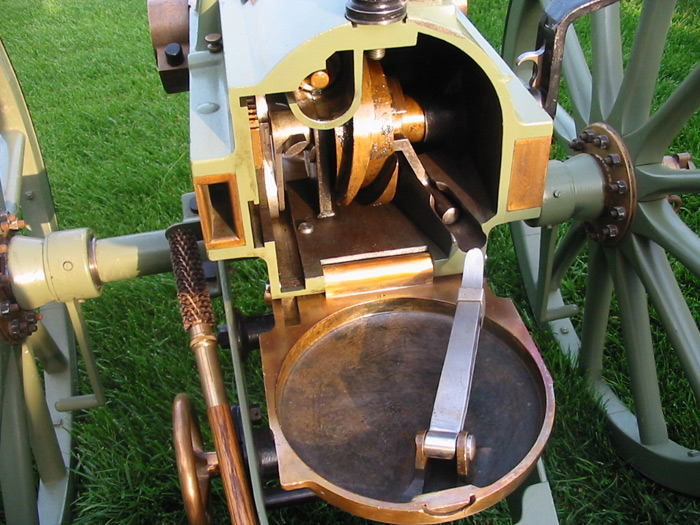
| The
1886 naval version. Note that it appears to rest the wrong way around in the fork, as pivot locking srew should be facing inboard |
Locking
screw for the rear cover |
Front bearing of the barrel bundle. |
Ammunition feed channel |
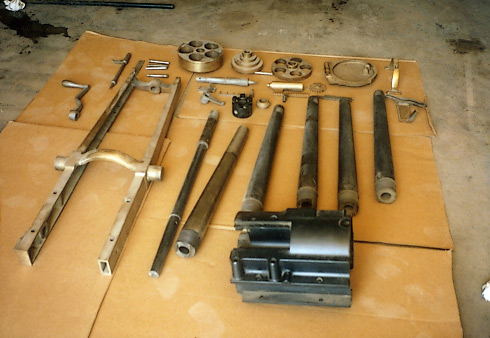
The
internal workings (left) and the individual parts (right) from a specimen preserved in the USA |
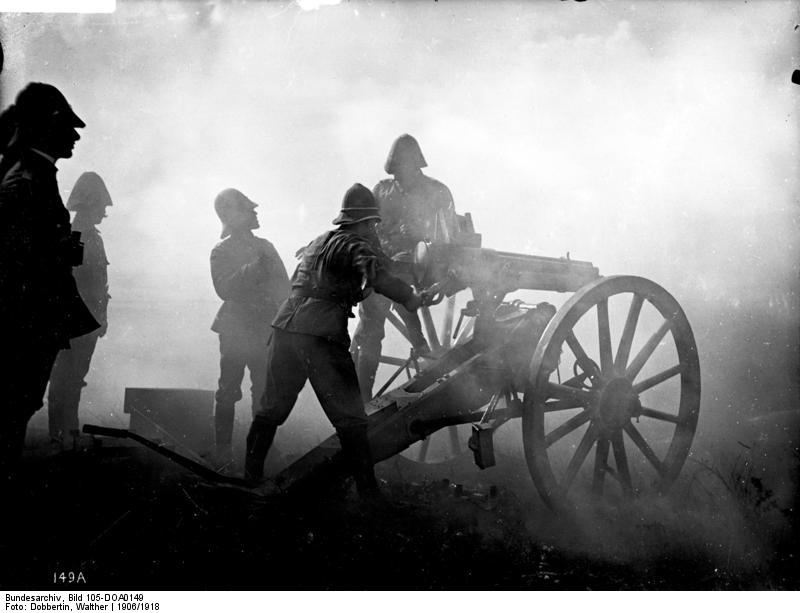
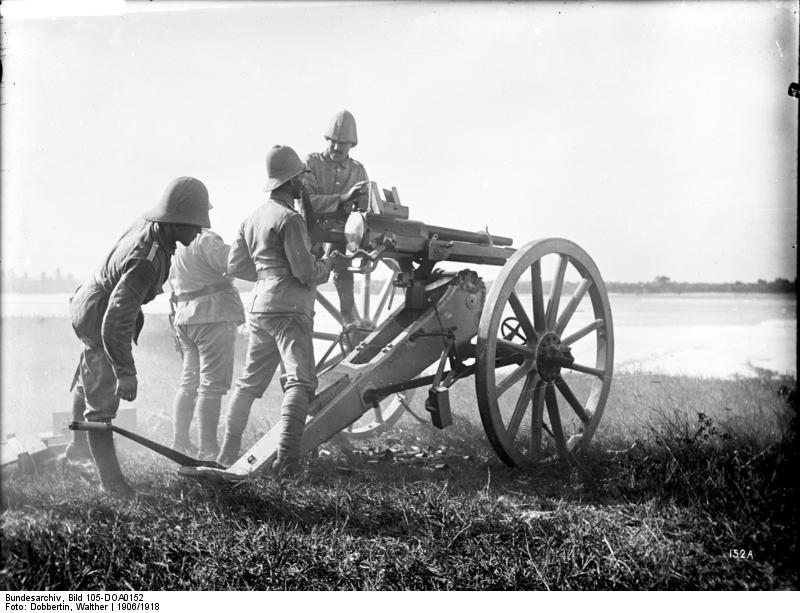
Naval
gun in carriage mounting in the former German East Africa sometime between 1903 and 1916 (Walther Dobbertin) |
|||||
| © Wehrtechnische Studiensammlung, Koblenz, Germany | © Festung Ehrenbreitstein, Koblenz, Germany | © Fieldsofthunder | © Deutsches
Bundesarchiv |
|||||||
| Black |
hull up to main bulwark railing; certain iron deck areas
and (probably) machinery such as the capstan, bollards
etc. |
| Yellow | masts and funnel, water ways; deviating from the ordinance also the two main boiler-room ventilators next to the funnel seem to have been painted yellow. |
| White | line about 0.5
m above the CWL and one just below the main bulwark
railing; any superstructures above the level of the main
bulwark railing, ventilators, deckhouses, inside bulwark
and stanchions, scrollwork. |
Varnish |
Judging from pictures, skylight
caps have been natural wood in clear varnish, rather than
white as stipulated by the ordinance. |
| Black | hull up to
main bulwark railing; certain iron deck areas and
(probably) machinery such as the capstan, bollards etc. |
| Yellow | any
superstructures above the level of the main bulwark
railing; masts and funnels; scroll-work (picked out in
gold); ventilators; deckhouses. |
| White |
line about 0.5 m above the CWL and another one just below main bulwark railing; inside bulwark and awning stanchions, scrollwork. |
Varnish |
Judging from pictures, skylight caps have
been kept in natural wood in clear varnish, rather than
yellow as stipulated by the ordinance.. |
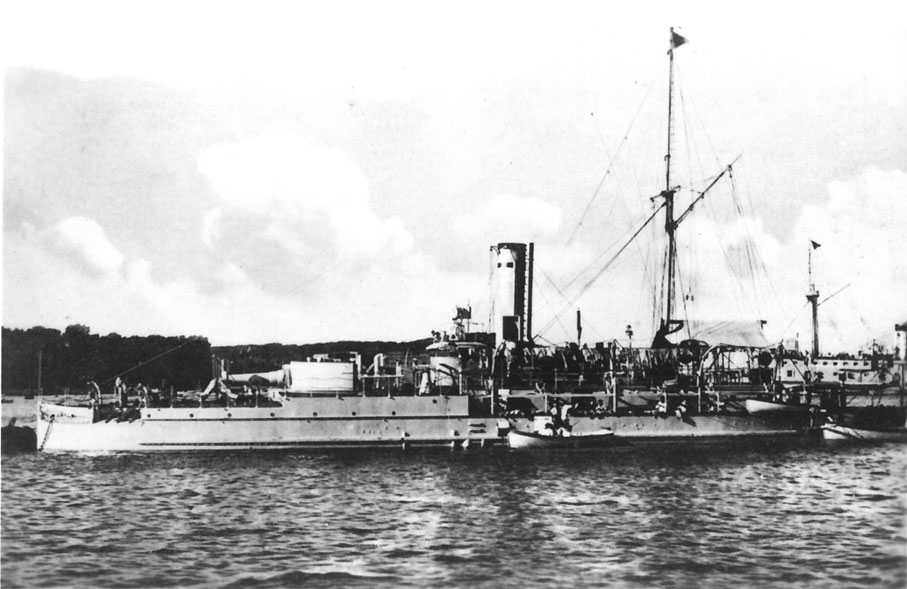 |
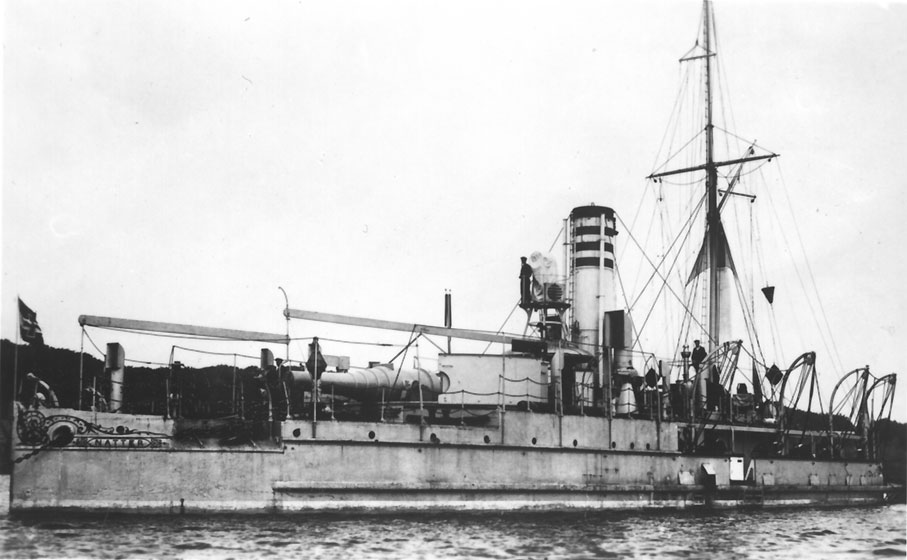
|
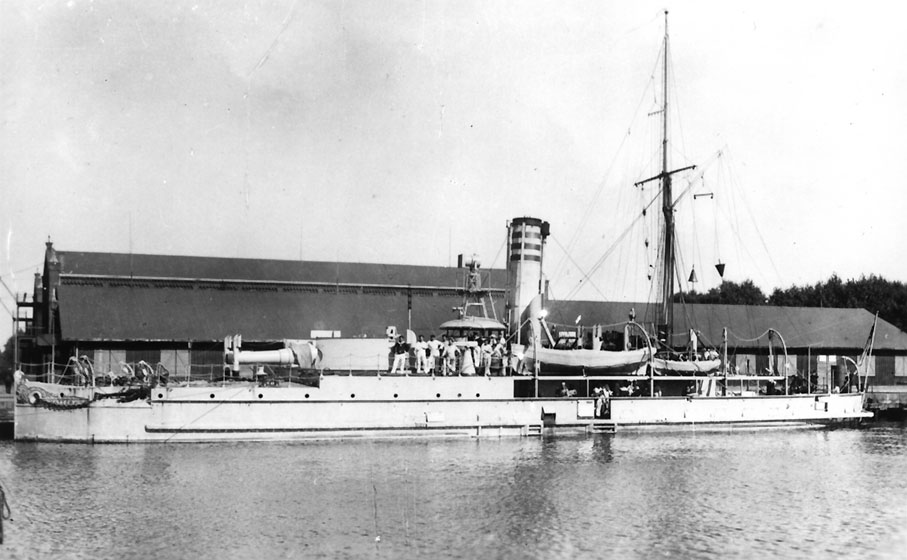 |
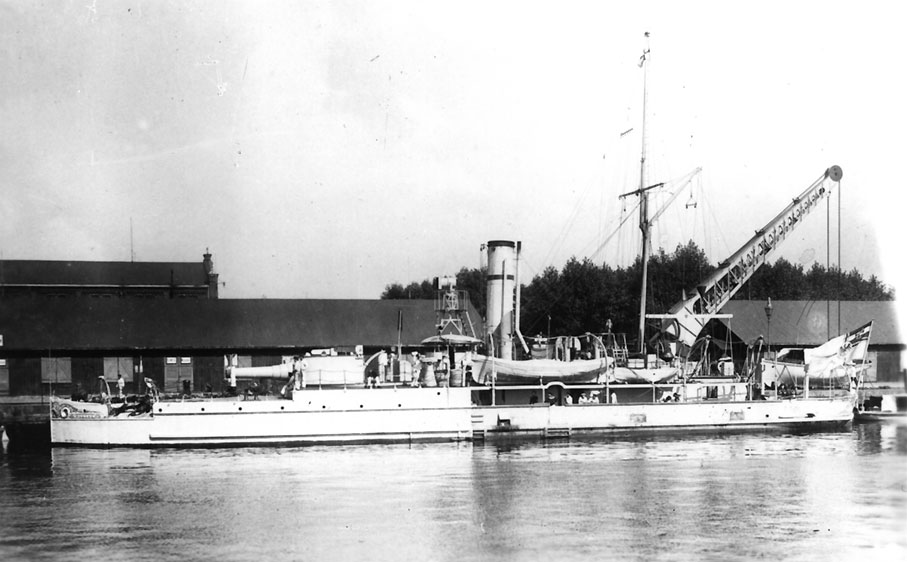 |
 |
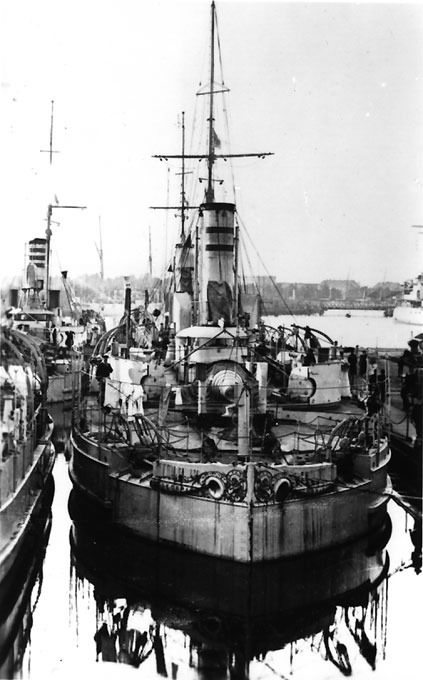 |
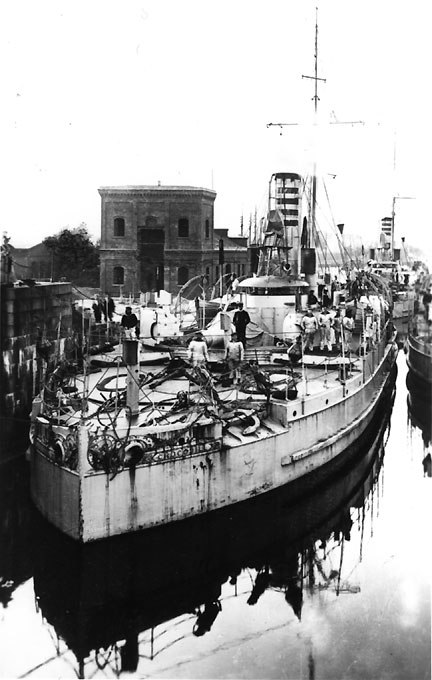
| S.M.S SCORPION in Kiel ? |
S.M.S NATTER in Kiel ? |
S.M.S NATTER in Wilhelmshaven ? |
S.M.S MÜCKE in Wilhelmshaven ? |
S.M.S CROCODIL
and S.M.S SCORPION. Entrance to Wilhelmshaven dock. |
|
 |
 |
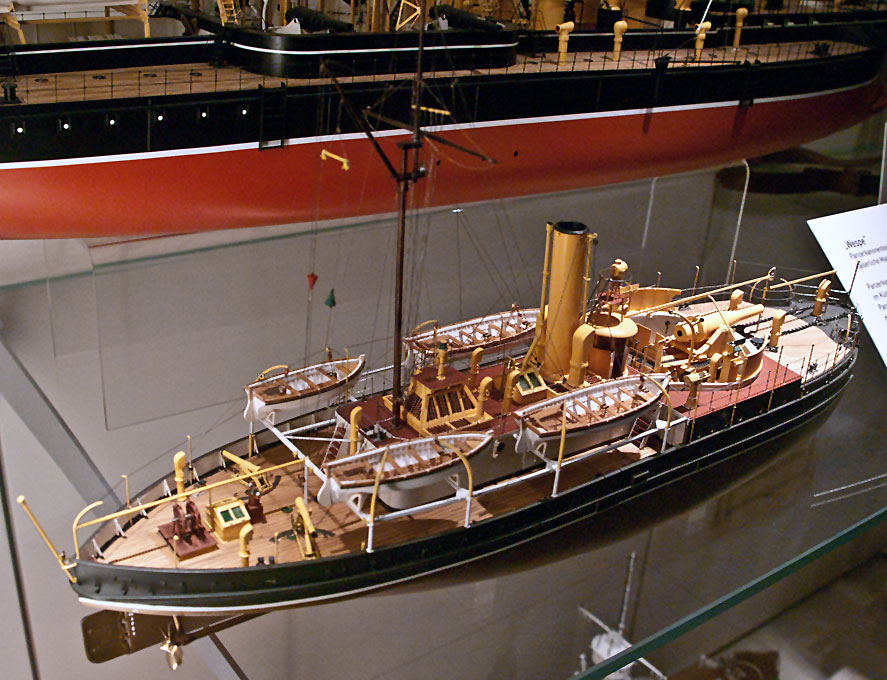
At the time S.M.S
Wespe was designed and built, it seems to have raised
considerable interest and descriptions of various details
appears in the contemporary technical and popular literature,
e.g. BRIX (1876), KRONENFELS
(1882), HENK (1895) or LAVERRENZ
(1900).
The main armament is reviewed in detail with accompanying
drawings in GALSTER (1885) as detailed above.
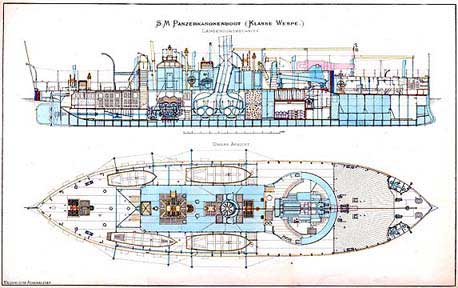
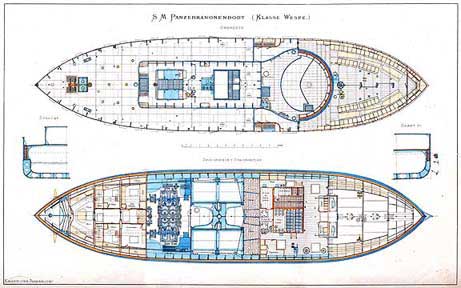
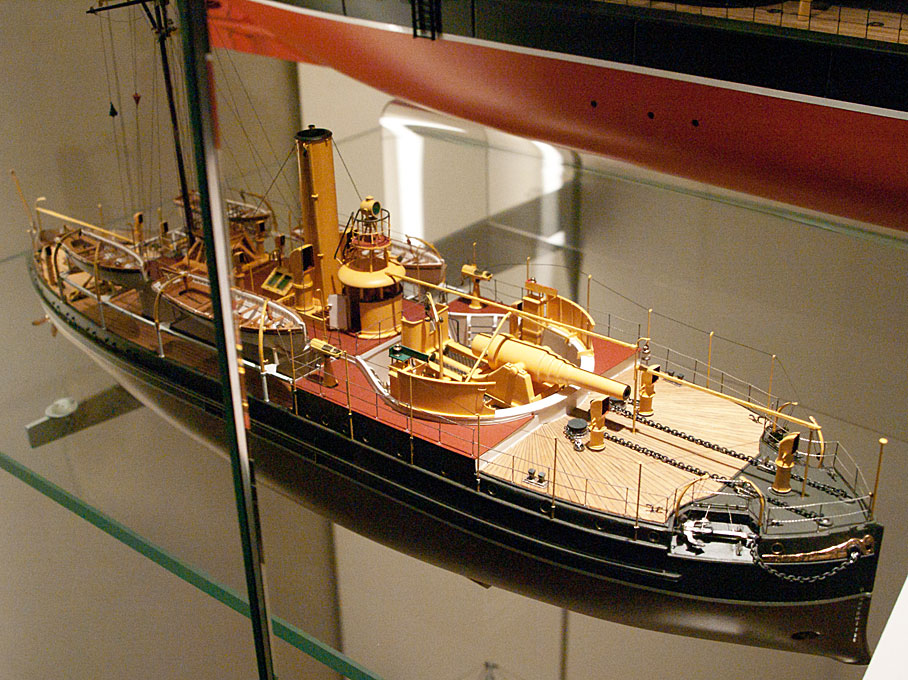
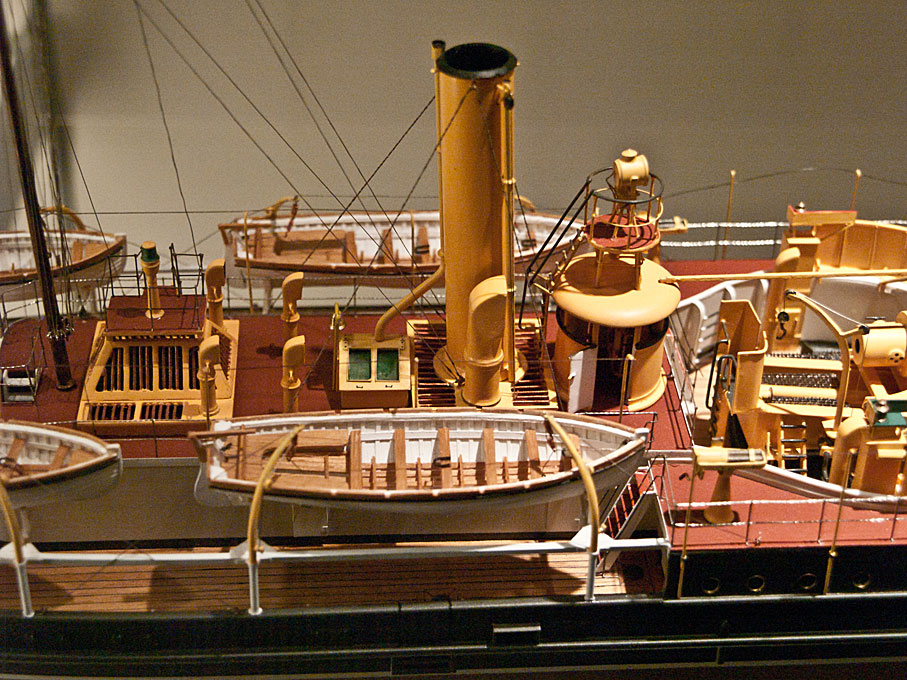
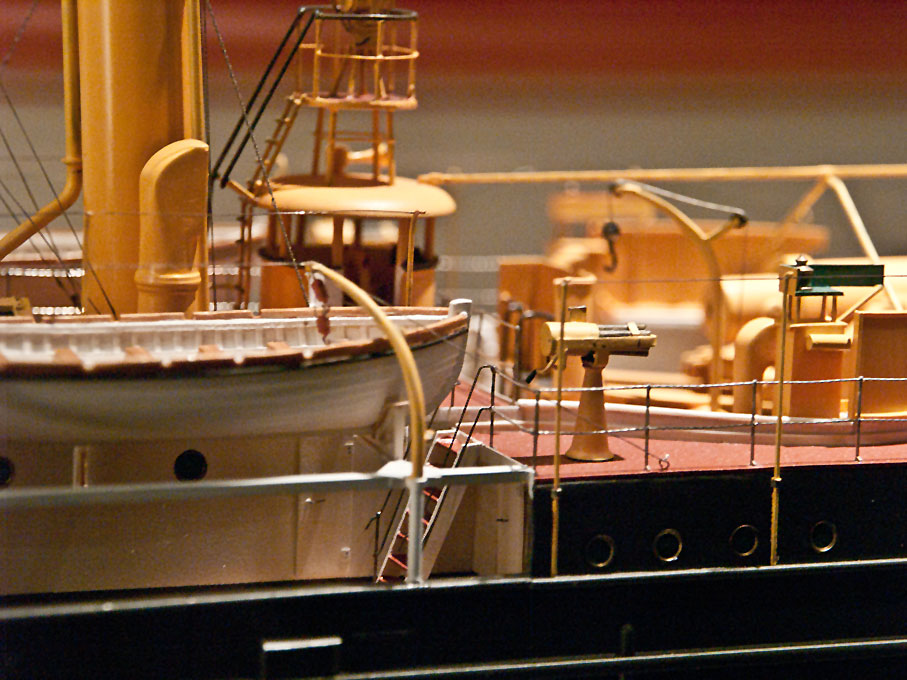
There are a couple of commercial plans available, such as
that drawn by Wolfgang Bohlayer (available e.g from VTH); they all
pertain to the time after the major refit of the mid-1880s.
 |
 |
 |
 |
 |
 |

|
| Model in
1/100 scale by Wolfgang Bohlayer based on his plans,
now in the Collection Tamm (Internationales
Maritimes Museum), Hamburg |
||||||
For those into card modelling, there is also a commercial
building set for WESPE/NATTER
available that is based on the published modelling drawings for
S.M.S. WESPE by W. Bohlayer.
ALAMILLO, A.A. (2009): Buques de la Armada Española del
siglo XIX. La marina del Sexenio y de la Restauracion
(1868-1900).- 156 p., Madrid ( Ministero de Defensa).
ANONYM (1887): Exercirreglement für die Marine-Artillerie, Nr. I. Für die 30,5 cm Kanone L/22 in Pivot-Laffete C/76.- Berlin (E.S. Mittler und Sohn). !!! If you have a copy or know someone who has, I would very much appreciate to hear from you: wefalck at wefalck dot eu !!!
ANONYM
(1891): Die Kaiserlich Deutsche Marine.- 8 p., 29 plates,
Leipzig (Verlagsbuchhandlung von J.J. Weber).
BRIX,
A. (1876): Der Bau eiserner Kriegs- und Handelsschiffe - Ein
Leitfaden.- 114 pp. + 33 plates, Berlin (Ernst & Sohn).
BRIX,
A. (1878): Praktischer Schiffbau - Bootsbau.- 28 pp. + 12
plates, Berlin (Hütte).
CONWAY (1979): All the World‘s Fighting Ships
1860-1905.- 440 pp., London (Conway Maritime Press).
DAVIDS,
K. (1870): Leitfaden für den Unterricht in der Schiffsartillerie
zunächst für die Feuerwerksmaatenschule.- 176 Sp, 18 woodcuts.,
4 plates, Berlin (E.S. Mittler und Sohn).
GALSTER, C. (1873): Das Krupp‘sche 30 1/2 cm Geschütz.- Marine-Verordnungsblatt, Beiheft 4.3: 16-9, Berlin.
GALSTER, C. (1885): Die Schiffs- und Küstengeschütze der deutschen Marine - Unter Benutzung amtlichen Materials bearbeitet.- 290 pp., 248 woodcuts, 7 lithographs, Berlin (S. Mittler und Sohn).
GRÖNER,
E. (1937): Die Deutschen Kriegsschiffe 1815-1936.- München (J.F.
Lehmanns Verlag).
HENK, W. VON (1895): Zur See.- 417 pp., Hamburg (reprint 1982 at Gerstenberg Verlag, Hildesheim).
HILDEBRAND,
H., RÖHR, A., STEINMETZ, H.-O.
(1999): Die Deutschen Kriegsschiffe – Biographien, Bd. 8 -
Schiffsbiographien Undine
bis Zieten.- 286 pp.,
Hamburg (Koehlers Verlagsgesellschaft).
KRONENFELS,
J.F. VON (1881): Das schwimmende Flottenmaterial
der Seemächte.- 599 pp., Wien/Pest/Leipzig (A. Hartleben‘s
Verlag; reprint 1976 as Vol. I, Christian Schmidt‘s Maritime
Reprints, München).
LAVERRENZ,
V. (1900): Unter Deutscher Kriegsflagge – Bilder aus dem
Manschaftsleben an Bord.- 178 pp., Berlin (W. Sommer).
MINISTÉRE DE LA MARINE
ET DES COLONIES [Ed.] (1873-1876):
Aide mémoire de l’artillerie de marine.- Ch. I (Pl. 1-46), Ch.
II (Pl. 8-12), Ch. XI (Pl. 1-13), Paris (Imprimerie Lemercier
et Cie.)
MINISTÉRE DE LA MARINE ET DES COLONIES [Ed.] (1883): Mémorial de l’artillerie de marine.- 1re (Pl. 1-13) livraison, Paris (Imprimerie Lemercier et Cie.)
MINISTERIO DE
MARINA (1945): Museo Naval del Tigre.- 87 S.,
Buenos Aires (Guillermo Kraft LTDA.).
RECKENDORF, H. (1983): Die Handwaffen der königlich
preußischen und kaiserlichen Marine.- 172 p., plates,
Dortmund (Eigenverlag).
STEEN STEENSEN,
R. (1961): Orlogsmuseet.- 128 pp., København (Marinehistorisk
Selskab/ Strubes Vorlag).
STEEN STEENSEN,
R. (1968): Vore Panserskibe 1863-1943.- 492 pp., København
(Marinehistorisk Selskab/Strubes Vorlag).
| Home | Maritime Resources |
Ship Models | Machine Tools | Other Stuff | Site history | Top of Page |

